Wondering if that beautiful parcel near Belfair is actually ready for your dream home? That is one of the biggest questions land buyers face in Mason County, because two lots that look similar online can come with very different rules, utility options, and build costs. If you are thinking about buying land near Belfair, this guide will help you ask the right questions before you write an offer. Let’s dive in.
Start With Buildability
Before you focus on views, privacy, or price, make sure the parcel can support the home you want to build. In and around Belfair, that answer can change from one property to the next.
Some parcels are inside the Belfair Urban Growth Area, while others are outside it. Mason County maps show multiple zoning districts in the Belfair UGA, including single-family residential, medium-density residential, mixed use, public facility, and business industrial, so you need parcel-specific confirmation rather than broad assumptions.
Is the parcel inside the Belfair UGA?
This is one of the first questions to ask because lots inside the Belfair UGA may follow a different approval path than lots outside it. Parcels in or near the UGA may have access to public water or mapped sewer connection zones, while surrounding parcels may depend on septic systems, wells, and county road permits.
A Belfair mailing address does not tell you enough. You want to verify the exact parcel location against the county’s planning and zoning layers before moving forward.
What zoning applies to the lot?
Zoning affects what kind of home or use the county may allow on the property. It can also shape density, setbacks, and whether your plans fit the site.
Mason County’s public planning map viewer includes Belfair UGA zoning, future land use, and critical aquifer recharge areas. That makes it a key starting point for checking whether your intended use lines up with the parcel’s actual designation.
How much of the lot is truly buildable?
A parcel’s total acreage is not the same as its usable building area. Setbacks, easements, buffers, slopes, and surface-water features can reduce the portion of the site where a home can realistically go.
Mason County site-plan requirements ask applicants to show property lines, easements, surface water, wetlands, slopes over 15%, and cuts or fills over 4 feet within 300 feet of the project. That is a strong reminder to look past the listing description and focus on the site itself.
Check Water, Sewer, Septic, and Access
Utilities can make or break a land purchase. A lower-priced lot may not stay affordable once you factor in water service, septic design, or a new access permit.
Near Belfair, utility availability is not uniform. That is why this part of your due diligence should happen early, not after you are already committed.
Is public water available?
Belfair Water District #1 is a publicly owned and operated Group A water system serving residents in the Belfair UGA. Its service history states that it serves the Belfair community, but parcel-level verification is still important because some nearby areas rely on smaller systems.
Ask whether the lot can connect to public water and what that connection would require. Even if service is nearby, you still need to confirm availability for the exact parcel.
Can the parcel connect to sewer?
Mason County has mapped Belfair sewer connection zones and sewered parcels, which is helpful because sewer service is not consistent across the area. Some lots may be able to connect, while others will need an on-site septic system.
This question matters for both budget and planning. If the parcel is outside a connection area, your next step is understanding septic requirements instead of assuming sewer is an option.
If septic is needed, what records exist?
If the parcel already has a septic system, ask for permit records, as-built documents, and a current inspection report. Mason County requires an on-site sewage inspection report within 12 months before a sale or transfer, before a residential or commercial building permit application, and before some land-use actions.
If the lot needs a new septic system, ask who will design and install it. Mason County states that only certified installers may install components unless Environmental Health gives written approval, and the final inspection process requires the system to be complete, uncovered for three business days, and supported by as-built and record-drawing documents.
Will the lot need a well?
If public water is not available, find out whether the parcel may need a private well. Mason County’s well-construction guidance states that wells must be properly sited, and proposed well connections are subject to water-adequacy review at the building permit stage.
That means a well question is not just about drilling. It is also about proper siting and how the future home will meet county review requirements.
Is legal access already in place?
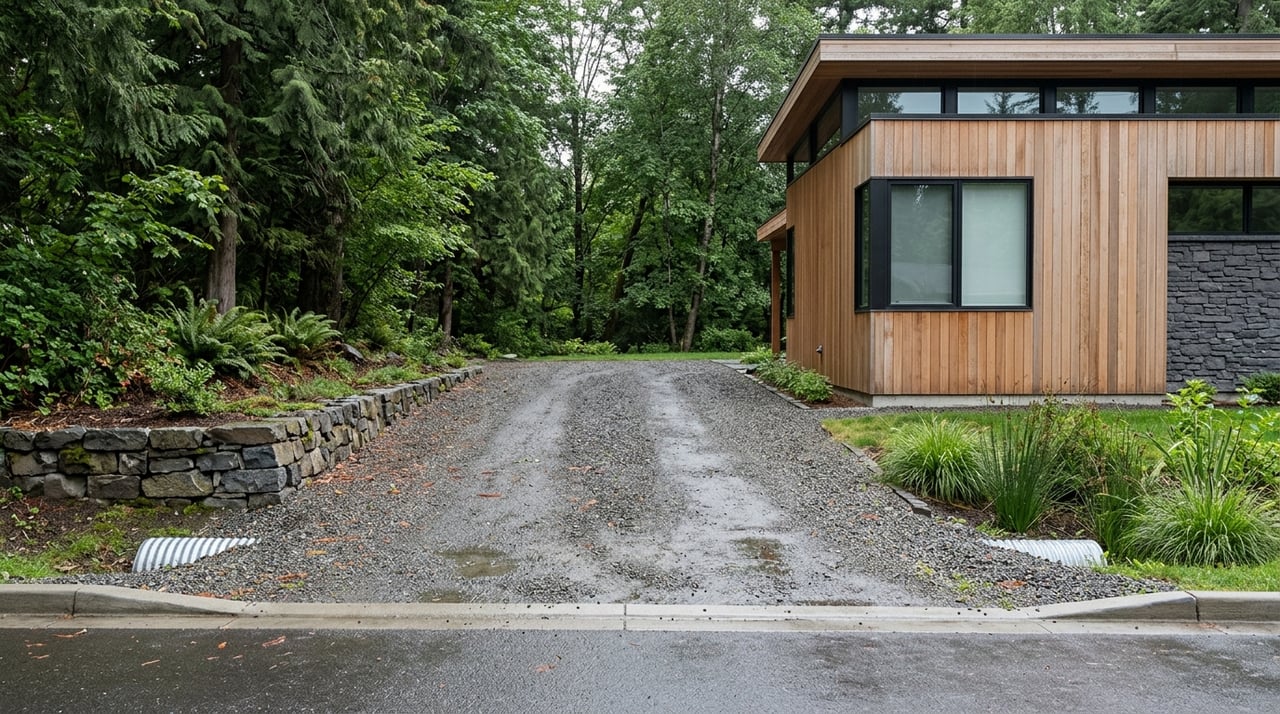
A lot is not very useful if you cannot legally and practically reach the homesite. Mason County requires an access permit for a driveway or other connection from a county road, and the county’s site-plan materials require driveway or site access to be shown.
You should also review any easements before writing an offer. Access assumptions can get expensive if a new permit, road work, or driveway construction is needed.
Watch for Site Conditions That Affect Cost
Land can look simple on a map and still become much more expensive once grading, drainage, or shoreline limits are involved. This is where many buyers discover that a “good deal” may not be as simple as it first seemed.
A careful review of site conditions can help you avoid surprise costs and better compare one parcel to another.
Are there steep slopes or grading issues?
Mason County requires site plans to identify slopes greater than 15% and significant cuts or fills. If the site is steep, you may need more grading, retaining work, or a different home design than you expected.
That does not always make a lot a bad option. It just means the site deserves a closer look before you commit.
Is the parcel near wetlands, streams, lakes, or shoreline?
If the lot is near water or regulated natural features, buffers and setbacks may limit where you can build. Mason County shoreline guidance states that development should generally stay out of the buffer, and mitigation may be required if it cannot.
For buyers looking near Hood Canal or other waterfront areas, this question becomes especially important. A waterfront setting can be appealing, but it may also come with extra review and design limits.
Is there a bluff setback issue?
Marine shoreline parcels can have another layer of complexity. Mason County resource rules include an additional 2:1 horizontal-to-vertical setback for marine bluffs, and setbacks can become larger if a variance or reasonable-use exception is needed.
If the property has bluff conditions, bring that into your early due diligence. It can affect where the home sits, how large it can be, and whether extra professional review is wise.
Is the property in a critical aquifer recharge area?
Mason County identifies critical aquifer recharge areas in its planning tools and code. These areas can receive special treatment, and a development proposal may require a recorded notice on the property.
This is not always a deal-breaker, but it is an important detail to understand before you buy. It is one more reason why parcel-specific review matters so much in the Belfair area.
Could flood risk affect the site?
Flood exposure is worth checking at the parcel level. Mason County’s critical-areas GIS includes FEMA flood mapping, so buyers should verify the actual property rather than assume a rural or inland location means no flood concern.
A quick map glance is not enough here. You want to know whether the homesite itself is affected.
Build Your Pre-Offer Review Team
Buying land often takes a wider circle of professionals than buying an existing home. The goal is to gather answers before your contingency timelines run short.
For land near Belfair, the most useful due-diligence team often includes local planning and utility experts alongside your real estate guidance. Getting the right people involved early can save you time, money, and frustration.
Who should review the parcel?
Depending on the site, your review team may include:
- A local real estate broker
- A Mason County planner
- Environmental Health staff or a septic designer
- A well contractor
- A surveyor
- A geotechnical professional for steep or waterfront sites
Mason County encourages applicants to investigate critical-area boundaries and setbacks with a planner before construction. Public works guidance also says to contact the department before building a driveway or access from a county road.
Use This Pre-Offer Checklist
If you are comparing land near Belfair, keep this checklist handy before making an offer:
- Verify exact zoning, future land use, and whether the parcel is inside or outside the Belfair UGA
- Confirm whether public water is available
- Check whether the lot is in a sewer connection zone or will require septic
- Request septic permits, as-built records, and any recent inspection or operation and maintenance report if a system exists
- Review whether a private well may be needed and how water adequacy will be addressed
- Confirm legal access, driveway requirements, and any road permits or easements
- Review slopes, drainage, wetlands, shoreline issues, flood mapping, and critical aquifer recharge areas
- Ask which local professionals should review the site before your contingency deadlines expire
Why Asking Early Questions Matters
The best land purchases usually start with better questions, not faster offers. Near Belfair, the difference between a smooth project and a stressful one often comes down to whether you verified zoning, utilities, access, and site constraints before moving ahead.
When you understand the parcel clearly, you can make a more confident decision and avoid paying for surprises later. If you want a local sounding board as you compare land opportunities near Belfair, Megan Milliken can help you think through the questions that matter most.
FAQs
What should I check before buying land near Belfair?
- Start with zoning, UGA status, buildable area, water, sewer or septic, well needs, legal access, and site constraints like slopes, wetlands, shoreline, and flood mapping.
Does every Belfair lot have public water and sewer?
- No. Some parcels may have access to Belfair Water District service or sewer connection zones, while others may rely on wells and septic systems, so parcel-by-parcel verification is essential.
Do I need a septic inspection when buying land in Mason County?
- If a septic system already exists, Mason County requires an on-site sewage inspection report within 12 months before a sale or transfer, before a building permit application, and before some land-use actions.
Can a waterfront or bluff parcel near Belfair have extra building limits?
- Yes. Shoreline buffers, setbacks, and marine bluff setback rules can limit where development can occur and may affect design, placement, and project cost.
Why is UGA status important for Belfair land buyers?
- UGA status can affect zoning, approval paths, and whether a parcel is more likely to connect to public water or sewer instead of relying on wells, septic, and separate access permits.