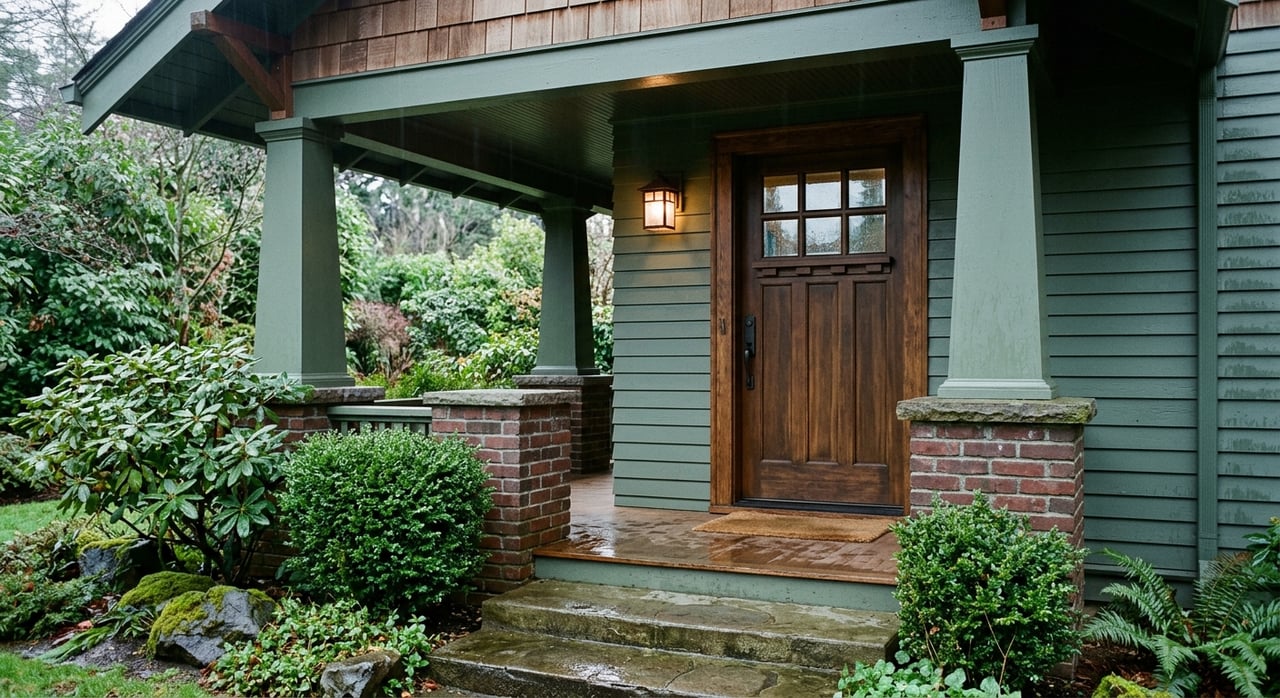
Wondering what it’s really like to live in one of Tacoma’s older homes? The charm is easy to spot from the curb, but daily life is about much more than original millwork or a deep front porch. If you’re drawn to Tacoma’s character homes, understanding the neighborhoods, the housing styles, and the practical side of ownership can help you buy with confidence. Let’s dive in.
Why Tacoma character homes stand out
Tacoma has an unusually deep supply of older housing, and that shapes the feel of the city in a very visible way. City materials note that more than 30,000 Tacoma properties have structures over 50 years old that could potentially be eligible for landmark status, and the Tacoma Register of Historic Places includes more than 190 individual historic landmarks.
That means character homes in Tacoma are not limited to one small pocket or one repeating style. Instead, you’ll find older homes spread across multiple historic areas and long-established neighborhoods, each with its own look and rhythm.
What “character home” means in Tacoma
In Tacoma, character homes are stylistically varied rather than all the same. In the Wedge Historic District, Craftsman homes make up about 51% of the district, with features like wood cladding, low-pitched roofs, exposed rafters, and deep eaves.
Other areas add even more variety. North Slope materials highlight American Foursquare, Dutch Gable, and Craftsman houses, while Old Town is known for bungalow and Craftsman-influenced wood-frame dwellings. In Stadium-Seminary, you’ll see substantial two- and three-story homes built between 1888 and 1930.
For you as a buyer, that variety matters. It means your search can be guided by the kind of daily life you want, not just by a single architectural style.
Neighborhoods with everyday appeal
North Tacoma character areas
Many of Tacoma’s best-known older-home neighborhoods are in the North End. City planning materials describe this area as primarily made up of single-family neighborhoods, with some multifamily housing and commercial districts along arterials and major intersections.
This mix helps explain why so many buyers are drawn here. You get established residential streets, but you’re often still close to practical daily conveniences.
Stadium District daily routine
The Stadium District offers one of the clearest examples of historic charm paired with practical living. City materials describe it as the most residential part of North Downtown, set on a bluff overlooking Commencement Bay and next to Wright Park and the W.W. Seymour Conservatory.
It also has the kind of business mix that supports day-to-day errands close to home. Planning materials list a grocery store, drug store, dry cleaners, bank, tailor, hair salons, coffee shops, and eateries, many of them family-owned.
If you want a neighborhood where older homes connect to a more urban routine, this area stands out. You may be able to handle a surprising amount of your week without constantly getting in the car.
Proctor neighborhood convenience
Proctor is another strong reference point for buyers who want charm plus convenience. The city recognizes Proctor as a Neighborhood Business District, and the area is supported by an active business district association.
The Proctor Farmers’ Market adds another layer to everyday life, operating every Saturday in the summer and fall and periodically in winter. City materials also note the Wheelock Library branch, the University of Puget Sound in the extended neighborhood, and two Tacoma Public Schools in the district.
For many buyers, Proctor feels appealing because the housing and the business district reinforce each other. The result is a neighborhood pattern where errands, local events, and home life can feel closely connected.
Old Town and waterfront connection
Old Town offers important context if you want Tacoma’s historic feel with a visible link to the water. The North End profile notes that early development centered around Old Town and later expanded away from its water-oriented beginnings along Ruston Way.
That history still matters today. Even when you are not right on the shoreline, many older Tacoma neighborhoods feel tied to Commencement Bay and the broader waterfront landscape.
Parks that shape daily life
One reason Tacoma’s character-home neighborhoods appeal to so many buyers is that the homes are often part of a larger outdoor routine. In many parts of the city, nearby parks and waterfront access become part of how you actually live, not just part of the brochure.
Wright Park access
Wright Park is a major lifestyle draw for central Tacoma. Parks Tacoma describes it as a 27-acre arboretum with more than 600 trees, plus a playground, sprayground, and the W.W. Seymour Botanical Conservatory.
If you live nearby, that kind of park can become part of your regular rhythm. Morning walks, casual meetups, and a quick break outdoors can all happen close to home.
Point Defiance and Ruston Way
Point Defiance Park gives Tacoma a large-scale outdoor destination with a long history and broad recreational appeal. Parks Tacoma describes it as a place for history, nature, and outdoor recreation, with the park becoming city-owned in 1905 and later adding Dune Peninsula in 2019.
Ruston Way supports a different kind of routine. Parks Tacoma lists beach access, a hard trail, bike trail access, a fishing pier, viewpoints, restrooms, and other waterfront features that make it easy to fold the shoreline into everyday life.
More neighborhood green space
Tacoma also offers parks that feel more local and tucked into the city fabric. Wapato Park, for example, includes a lake-and-forest setting, a 0.9-mile walking trail, a playground, a dog park, picnic shelters, and a historic pergola.
For buyers comparing neighborhoods, this matters. A character home often feels even more livable when it is paired with easy access to outdoor space nearby.
Getting around from older neighborhoods
Transportation is a practical question for almost every buyer considering an older Tacoma home. The answer depends a lot on where in the city you buy.
Transit options in Tacoma
Tacoma Dome Station is the region’s largest multimodal hub, according to Pierce Transit. It connects local buses and Runner on-demand service with Sound Transit Express buses, the T Line, the S Line commuter rail, and Amtrak.
The City of Tacoma also notes that the Sounder runs from Lakewood to Seattle with stops in South Tacoma and the Tacoma Dome. That gives many Tacoma residents another option for reaching jobs, appointments, and other destinations.
T Line access and central living
The T Line is especially relevant if you want a more connected routine in central Tacoma. Sound Transit shows stops at Tacoma Dome, Union Station, Theater District, Old City Hall, Stadium District, Tacoma General, 6th Ave, Hilltop District, and St Joseph, among others.
That route links several of Tacoma’s older neighborhoods and activity areas. If you buy near this corridor, your day-to-day life may feel more flexible and more car-light than it would in areas farther from the rail spine.
When a car still helps
At the same time, Tacoma is still a mixed transportation market. The Sounder South line is primarily a weekday commuter option, which makes it more useful for standard work trips than for all-day local mobility.
So while some central neighborhoods support a lighter driving routine, many buyers will still want a car for at least part of their errands and weekly schedule. It is smart to think about your actual habits before you decide that a charming house alone is the right fit.
Remodeling and preservation rules to know
This is one of the biggest practical questions for character-home buyers in Tacoma. If you fall in love with an older home, you should also understand what level of freedom you may have to change it.
Tacoma recognizes historic resources as individual landmarks, historic districts, and conservation districts. According to the city’s nomination guide, local historic districts can trigger an overlay historic zoning district and design review.
For City Landmarks, changes must be approved by the Landmarks Preservation Commission. The same guide says demolition of listed properties or contributing elements is strongly discouraged and requires approval.
Conservation districts generally have fewer design-review requirements than full historic districts. It is also important to note that national and state listings do not automatically create the same private-property restrictions as local Tacoma designation.
For you, the takeaway is simple: before planning exterior updates or major remodeling, confirm whether the property has local historic status and what review process may apply. That step can protect your budget, timeline, and expectations.
What buyers should keep in mind
Tacoma’s character homes offer more than curb appeal. They often place you in established neighborhoods with nearby parks, local business districts, and a street pattern that can feel more connected and more layered than newer housing areas.
At the same time, every older home comes with its own tradeoffs. The right fit depends on how you want to live day to day, how much architectural detail matters to you, and whether you are comfortable navigating preservation rules when they apply.
If you’re exploring Tacoma’s historic and character-rich neighborhoods, the best approach is to look at both the house and the lifestyle around it. If you want help narrowing down which Tacoma area best fits your goals, connect with Megan Milliken to schedule a consultation.
FAQs
What kinds of character homes are common in Tacoma?
- Tacoma character homes commonly include Craftsman, bungalow, American Foursquare, Dutch Gable, and other period homes, with especially strong Craftsman representation in areas like the Wedge.
Which Tacoma neighborhoods are known for older character homes?
- Well-known older-home areas include parts of the North End such as Old Town, Stadium-Seminary, the Wedge, and nearby established residential neighborhoods with long development histories.
Do Tacoma historic homes have remodeling restrictions?
- Some do, especially if a property is a local City Landmark or located in a local historic district, where design review or approval may apply for certain changes.
Is everyday life in Tacoma character-home neighborhoods walkable?
- In some central and North Tacoma areas, daily life can be more walkable or bikeable because of nearby shops, parks, and transit, though many buyers still rely on a car for at least some errands.
Does Tacoma have transit near older neighborhoods?
- Yes, especially in central Tacoma, where the T Line connects several older neighborhoods and Tacoma Dome Station links to broader regional transit options.