Buying your first home can feel exciting and overwhelming at the same time. You want a clear plan, honest local insight, and a home that fits your life and budget. If Port Orchard is on your radar, you’re already looking in one of Kitsap County’s most approachable markets for first-time buyers. In this guide, you’ll learn how the process works here, what to expect with commutes, utilities, and inspections, and how Port Orchard stacks up against nearby Tacoma–Lakewood. Let’s dive in.
Why Port Orchard works for first-time buyers
Port Orchard sits on the Kitsap Peninsula, across Puget Sound from Seattle and west of Tacoma. Many buyers look here because it is commonly more affordable than central King County and often more affordable than many neighborhoods inside Tacoma–Lakewood. Prices still vary by neighborhood, condition, and proximity to water, so set expectations with current data during your search.
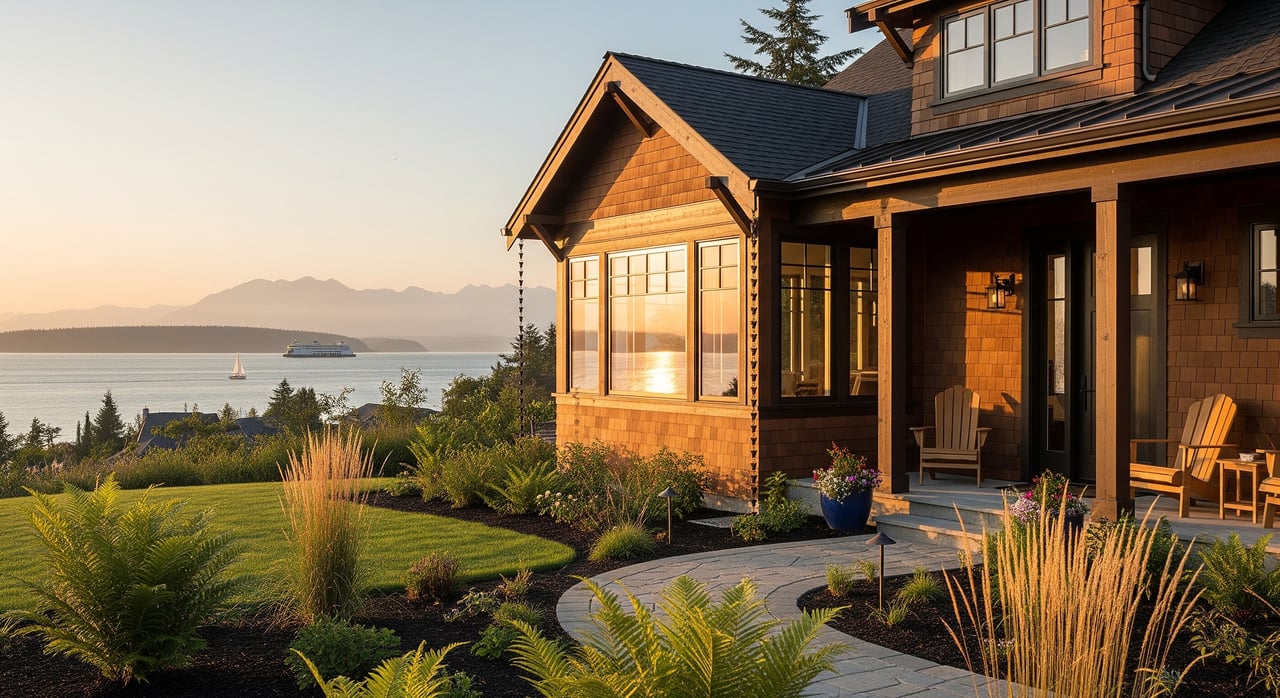
You also get a range of lifestyles. Some neighborhoods offer quiet, wooded lots and the feel of rural Kitsap. Others put you closer to services and the waterfront downtown. As you compare areas, balance price, commute time, and long-term resale goals.
Commute options and daily life
Many residents drive across SR‑16 to reach Tacoma or Lakewood. Depending on traffic and your starting point, commutes can run roughly 20 to 45 minutes. Travel times change with time of day and weather, so test your route during the hours you plan to drive.
If you are Seattle‑bound, ferries and passenger fast ferries are part of daily life. Kitsap Transit operates bus and passenger ferry services, and Washington State Ferries and Kitsap Fast Ferries connect the peninsula to Seattle. Schedules and crossing times vary by route, so build buffer time into your routine.
Homes and utilities to expect
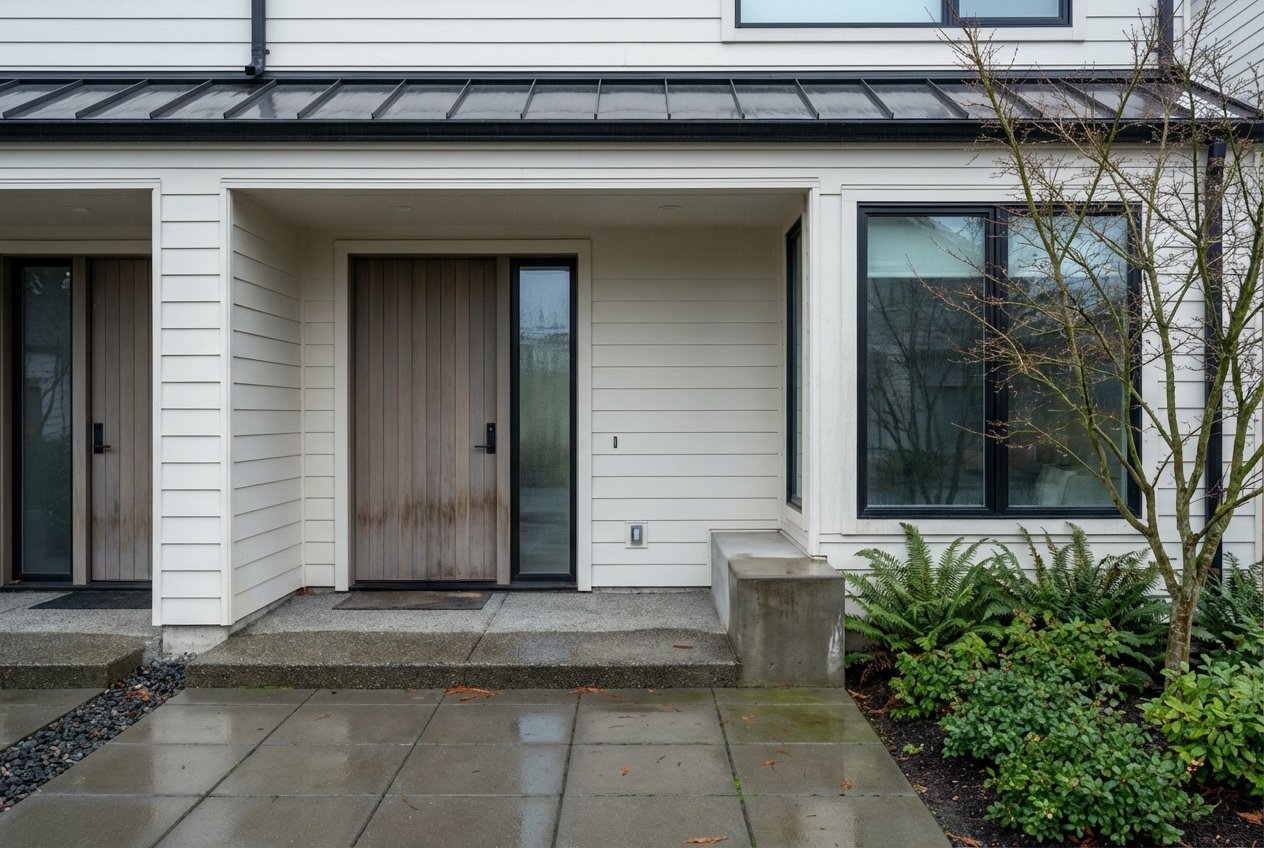
Port Orchard offers a wide mix of homes: older Craftsman and bungalows near downtown, ranch and split‑levels from the 1950s–1970s, waterfront cottages, manufactured communities, and newer subdivisions and townhomes. Many mid‑century homes may need updates, so budget for maintenance and upgrades when you compare options.
Key utility and property considerations:
- Inside city limits you’ll generally find municipal water and sewer. In unincorporated Kitsap, wells and septic systems are common.
- Septic inspections and potential upgrades can affect costs and timelines. Obtain records early and plan for specialized evaluations.
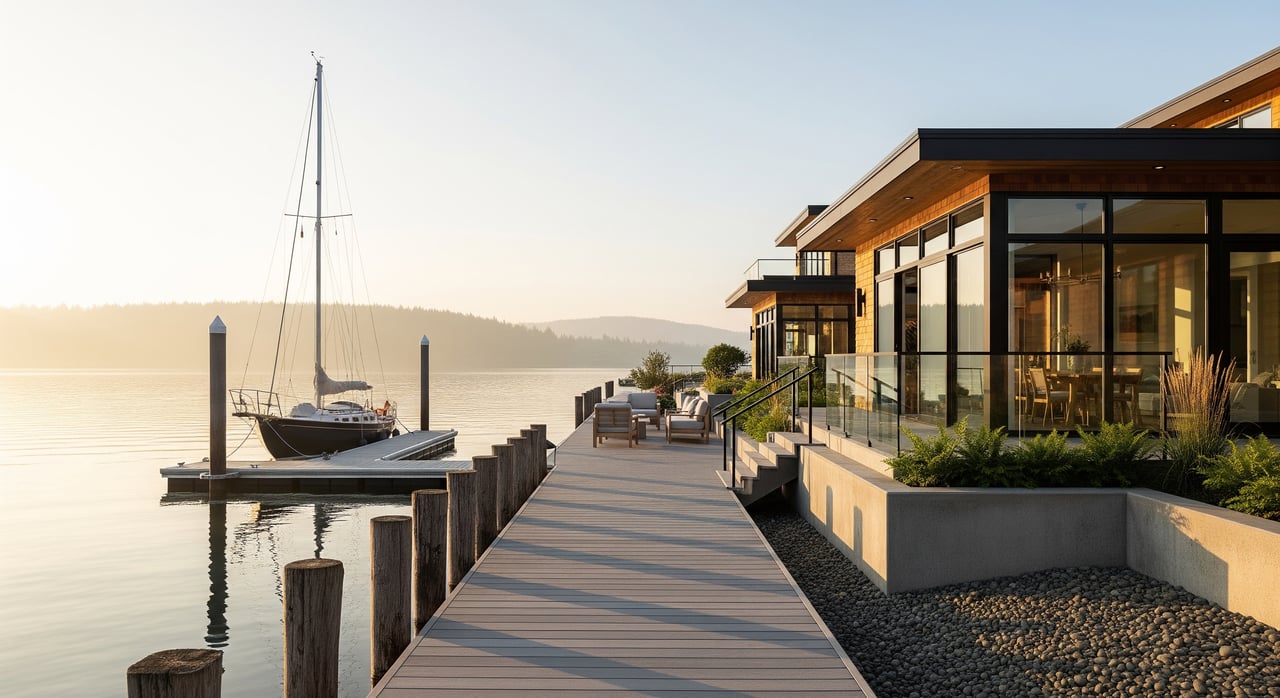
- Waterfront or low‑lying properties may sit in flood zones and can require flood insurance. Ask about elevation, shoreline regulations, and any special permits.
- Port Orchard is primarily served by South Kitsap School District. Verify boundaries and programs directly with the district to understand attendance areas.
Your step‑by‑step roadmap
Step 0: Decide and prepare (1–6+ weeks)
- Review your credit, build a clear monthly budget, and estimate your payment with taxes, insurance, utilities, and any HOA dues.
- Save for a down payment and closing costs. Plan for a down payment in the 3–20% range depending on loan type, plus closing costs of about 2–5% of the loan amount.
- Research first‑time buyer help in Washington. Many buyers explore Washington State Housing Finance Commission programs and local assistance with income and purchase‑price limits.
Step 1: Get pre‑approved and pick a lender (1–2 weeks)
- A full pre‑approval clarifies your price range and strengthens your offer.
- Compare loan options: conventional, FHA, VA, and USDA for eligible rural properties. VA loans are common for eligible veterans and can offer low or no down payment.
Step 2: Choose your agent and define the search (1–4 weeks)
- Work with a local agent who understands Port Orchard and broader Kitsap inventory, utilities, commute tradeoffs, and shoreline rules.
- Prioritize must‑haves versus nice‑to‑haves: bedrooms, yard size, commute time, municipal sewer versus septic, and tolerance for projects.
Step 3: Active searching and showings (2 weeks–6 months)
- Expect a mix of older homes that may need updates and some newer construction. In tighter markets, tour quickly and stay decisive.
- As you compare list prices, factor in likely inspection items and near‑term maintenance.
Step 4: Make a smart offer (offer to acceptance: 1–7+ days)
- Your offer includes price, earnest money, financing and inspection contingencies, closing date, and any seller concessions. In Washington, earnest money typically goes into escrow; 1–3% is common in many areas.
- In competitive settings, buyers may consider escalation clauses or shorter timelines. In slower markets, you may negotiate for repairs or seller‑paid costs. Match strategy to current conditions.
Step 5: Due diligence and loan process (2–6+ weeks)
- Typical timelines: inspection window often 7–10 days from acceptance, appraisal in about 1–3 weeks, and underwriting in 2–4 weeks.
- Plan inspections: general home inspection, septic or sewer scope, well water testing if applicable, plus roof, HVAC, electrical, or structural specialists if needed. Costs vary, but each inspection is typically several hundred dollars.
- Use your inspection results to request repairs, credits, or price adjustments as appropriate.
Step 6: Closing and move‑in (after clear‑to‑close)
- You will sign at an escrow or title company, bring your remaining funds, and the sale records with the county. For financed purchases, plan on about 30–45 days from acceptance to closing. Cash closings can be faster.
Market expectations in Port Orchard
Port Orchard and Kitsap County have historically traded at lower median prices than King County. Port Orchard is also often more affordable than many Tacoma–Lakewood neighborhoods, though individual neighborhoods and home conditions vary. Buyers frequently look here for price and lot size, and weigh that against commute time and services.
In recent years, Puget Sound markets have seen periods of low inventory and faster sales. Conditions shift with season and rates, so use current Northwest MLS and trusted local market reports to calibrate your strategy. Expect more competition for updated, move‑in‑ready homes and a bit more time for properties that need work.
Offer strategies follow the market. In stronger seller markets, pre‑approval, clean terms, and shorter contingency windows can help. In balanced markets, you can often negotiate repairs, ask for seller credits, or take a longer closing. Common contingencies include financing, inspection, appraisal, and septic or well evaluations when applicable.
Cost checklist to budget
- Down payment: FHA from about 3.5% minimum, conventional often 3–5% or more, VA may be 0% for eligible buyers.
- Closing costs: typically 2–5% of the loan amount, including lender, title, escrow, and prepaid taxes and insurance.
- Inspections: general, septic or sewer camera, well water, and any specialists.
- Immediate repairs or upgrades: plan a reserve for roof, HVAC, electrical, plumbing, or septic needs common in older homes.
- Monthly items: principal and interest, property taxes, homeowners insurance, flood insurance if required, and HOA dues if applicable.
Inspection and permit checklist
- City or county: confirm if the property is inside Port Orchard city limits or in unincorporated Kitsap, since that affects utilities and permitting.
- Utilities: verify municipal sewer and water, or obtain septic and well records. Consider a septic dye test or camera scope.
- Flood and shoreline: check floodplain status and shoreline or critical‑area rules. Confirm elevation and insurance requirements.
- Permits: ask the city or county about any additions or renovations to confirm they were permitted.
Useful local contacts
- Northwest Multiple Listing Service and local market reports for current pricing and inventory.
- Kitsap County Assessor and Kitsap County Planning & Public Works for property records, septic rules, and permits.
- City of Port Orchard Planning & Building for city utility maps and permitting.
- Washington State Housing Finance Commission for first‑time buyer and down‑payment assistance programs.
- Kitsap Transit, Washington State Ferries, and Kitsap Fast Ferries for commute planning.
- South Kitsap School District for attendance maps and programs.
Your next step
If you want a clear, calm path from browsing to keys, partner with a local guide who knows Port Orchard block by block and can keep your financing, inspections, and timelines on track. Start a conversation with Megan Milliken to map your budget, refine your search, and move confidently toward your first home.
FAQs
How long does a first‑time home purchase take in Port Orchard?
- From accepted offer to closing is typically 30–45 days for financed purchases, with total timelines varying based on your readiness and market conditions.
Is pre‑approval or pre‑qualification better for Kitsap buyers?
- Get fully pre‑approved before you shop, since it strengthens your offer and clarifies your budget in competitive moments.
Are down‑payment assistance programs available in Washington?
- Yes, programs exist through statewide and local sources and include income and purchase‑price limits, so check current eligibility and terms early.
What should I know about septic or well properties in Kitsap County?
- Outside city limits, septic and wells are common; plan specialized inspections and factor potential upgrades or maintenance into your budget and timeline.
How does Port Orchard compare with Tacoma–Lakewood for first‑time buyers?
- Port Orchard is often more affordable with larger lots or waterfront options, while Tacoma–Lakewood can offer shorter drives to some job centers, so weigh price against commute and services.
Do waterfront or low‑lying homes require flood insurance in Port Orchard?
- Some do; confirm flood zone status, elevation, and insurance needs during due diligence, and account for any added premium in your budget.