Ever wonder what it feels like to wake up to tide-driven views, the soft clang of halyard lines, and gulls tracing the sky? Waterfront living in Gig Harbor blends calm, everyday rituals with real marine know‑how. If you are weighing a move to the harbor, you will want a clear picture of the rhythms, rules, costs, and conveniences that shape life on the water. This guide walks you through a typical day, the property types you will see, seasonal realities, and the key logistics to check before you buy. Let’s dive in.
A day on the harbor
Morning rhythm
Sunrise usually finds the harbor quiet and glassy. On very low tides, you may see mudflats and exposed shoreline ecology in some areas. Paddleboarders and kayakers often launch early when the wind is lighter, and walkers head to the downtown waterfront path for a calm start. Checking tide tables becomes routine because water levels affect views, beachcombing, and launch timing.
Midday and weekends
By late morning, boat traffic picks up, especially in summer. Restaurants and shops along the downtown waterfront are a short stroll from marinas and nearby neighborhoods. You can explore local history and exhibits at the Harbor History Museum, then grab lunch and watch the marina scene shift with the tide. If you have a private dock, summer days often include stowing gear, rinsing salt spray, and keeping an eye on moorage lines.
Evenings on the water
Evenings bring soft light, harbor reflections, and the glow of boats at their slips. On summer weekends, expect a friendly bustle on the piers and sidewalks. In fall and winter, you will notice more storm systems and wind-driven days, which is part of the maritime cycle. That is when storm prep, secure mooring, and quick checks on dock fastenings become part of a normal routine.
Home types and settings
Single-family waterfront
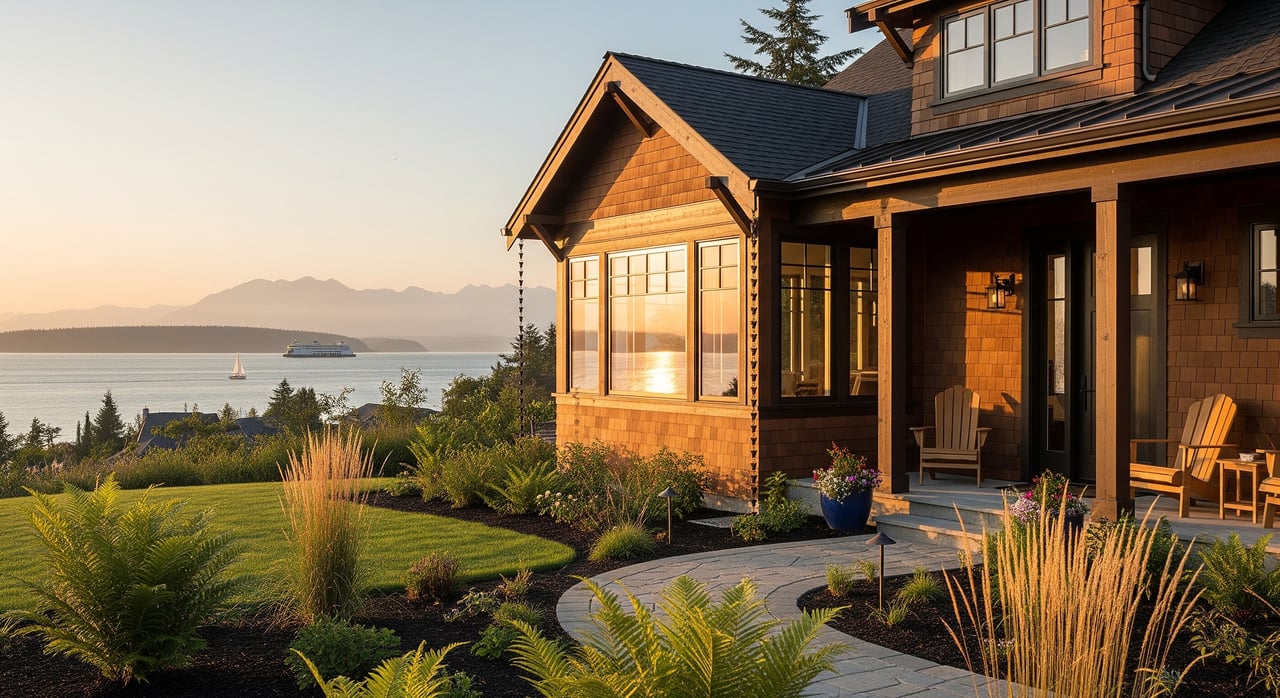
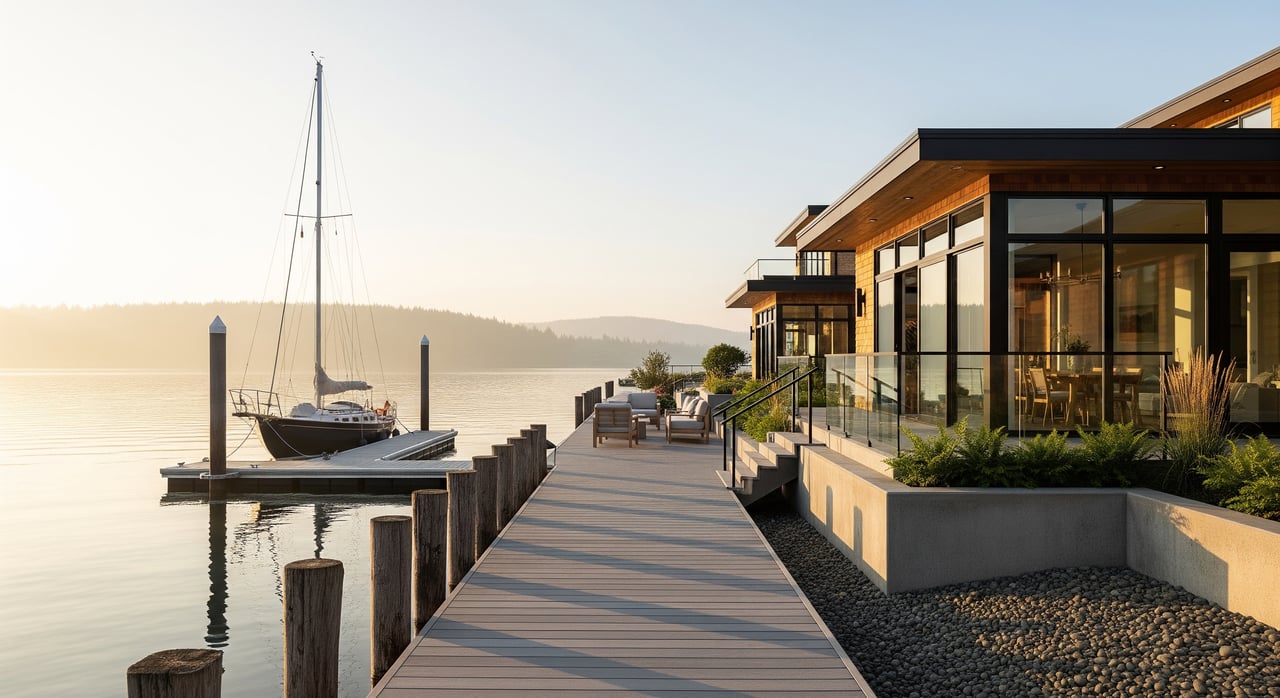
You will find a range of single-family homes, from classic cottages to custom estates. Some have private docks, floats, and gangways. Others sit above the shoreline on gentle slopes or bluffs with stair access to the water. The specific landform shapes how you use the waterfront, from easy beach access to elevated view living.
Townhomes and condos
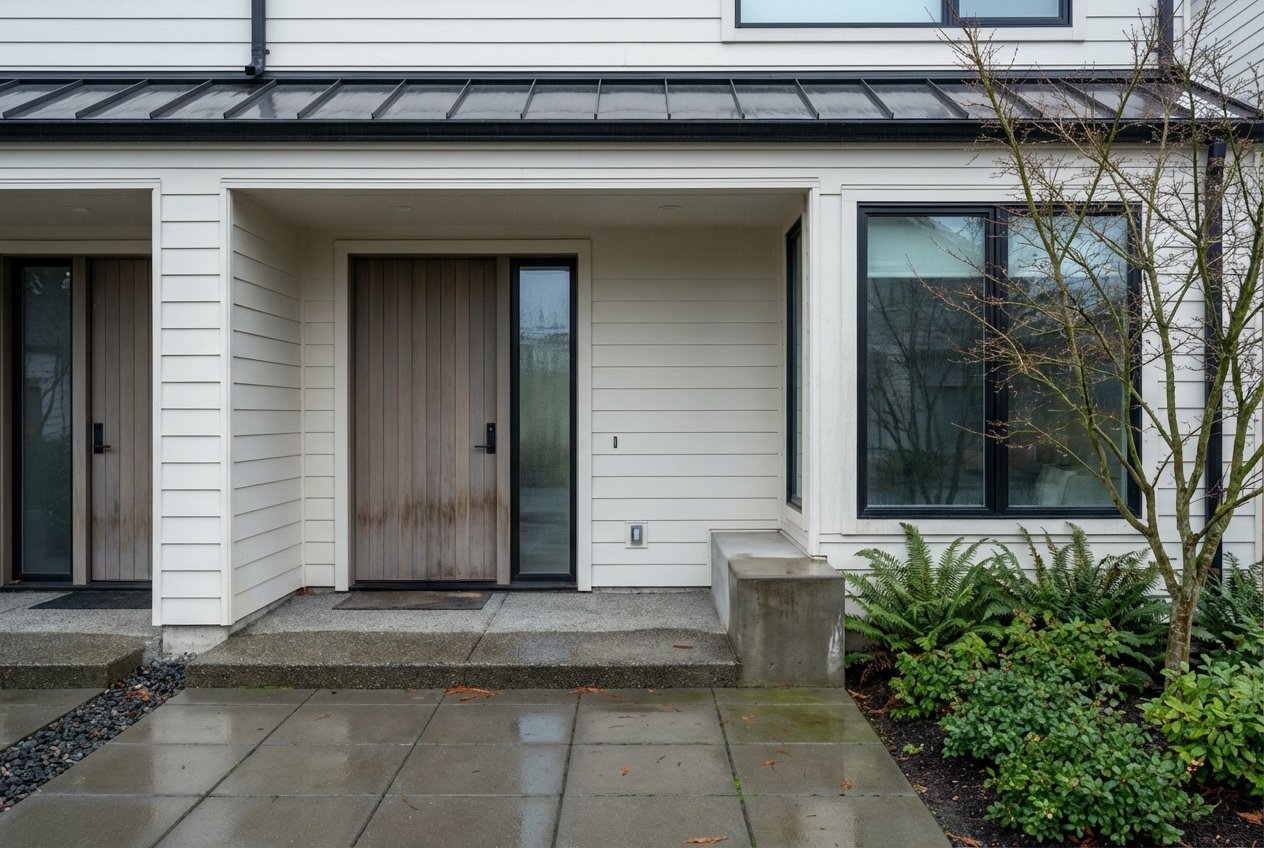
Several townhome and condo communities sit near the water. Many offer shared slips, community docks, and paths along the shoreline. These can be a good fit if you want the waterfront lifestyle with lower personal maintenance on docks and common areas.
Near marinas
Homes close to marinas offer quick access to moorage services even if the property does not include a private dock. Slip availability can be limited at popular facilities, and some marinas maintain waitlists. If a slip is essential, confirm policies and timing with individual operators before you buy.
Commute and access
Gig Harbor connects to Tacoma and the I‑5 corridor via the Tacoma Narrows Bridge. Commute times vary by route and traffic, so plan your schedule around typical bridge and arterial patterns. There is no regular auto ferry to Seattle from Gig Harbor, and boat commuting is uncommon. Most residents rely on driving, and many choose neighborhoods based on how often they plan to visit the downtown waterfront or local marinas.
Tides, weather, and seasons
Tides shape daily life on the harbor. You will see intertidal zones, shifting launch conditions, and different views at high and low water. Tide predictions for the Gig Harbor area are available through NOAA Tides & Currents. For the broader weather picture, including marine forecasts and storm patterns, check the regional updates from the National Weather Service.
- Summer: calm water, peak boating, paddle sports, and beach walks. Downtown is livelier, and marina areas are busier on weekends.
- Fall and winter: wetter and windier overall, with a higher chance of maritime storm events. Your to-do list includes securing lines, checking dock hardware, and monitoring bulkheads.
Wildlife is part of the experience. You might see seals, sea birds, eagles, and seasonal salmon activity. Occasional orca sightings occur in the greater Salish Sea region, though these are not daily events.
Rules, permits, and shoreline work
If you are considering adding or modifying a dock, bulkhead, or any shoreline structure, plan ahead. Shoreline development in Gig Harbor and Pierce County is regulated under local Shoreline Master Programs that implement Washington’s Shoreline Management Act. The City and County set standards for setbacks, allowable uses, and mitigation.
- Local shoreline permitting: Start with the City of Gig Harbor for properties within city limits or Pierce County for those in unincorporated areas.
- State guidance: The Washington State Department of Ecology provides Shoreline Master Program guidance and coordinates on environmental standards.
- In-water work: Most projects that affect state waters require a Hydraulic Project Approval from the Washington Department of Fish and Wildlife.
- Federal coordination: Certain projects below the mean high water line or involving fill may need permits through the U.S. Army Corps of Engineers.
Expect planning lead time. Reviews can take months, and work windows may be limited to protect fish and wildlife. Also be mindful of navigation rules and no‑wake zones around the harbor, along with any marina-specific policies.
Flood zones, insurance, and inspections
Some waterfront parcels sit within FEMA-designated flood zones, which can affect mortgage and insurance requirements. Lenders often request elevation certificates and may require flood insurance for homes in Special Flood Hazard Areas.
- Use the FEMA Map Service Center to review flood maps and zones.
- Ask your lender and insurer how elevation, mitigation, and structure type will affect premiums.
Specialized inspections are essential. In addition to a standard home inspection, plan for a marine or dock inspection, a bulkhead or shoreline condition assessment, and a structural review if the home sits on a steep bluff. For parcels outside city utilities, confirm whether the home uses a private well or septic system and have those systems evaluated.
Maintenance you can expect
Saltwater is hard on materials, which means you will budget for steady upkeep. Building a simple maintenance plan early helps you stay ahead of issues and costs.
- Docks and floats: seasonal checks on fasteners, flotation, power, and pilings; periodic replacement of wear items.
- Bulkheads: watch for signs of erosion or movement; repairs can be significant, so early attention matters.
- Exterior finishes: paint, metal hardware, and mechanical systems need more frequent service due to salt and moisture exposure.
- Storm readiness: maintain mooring lines, fenders, and temporary protection for vulnerable components before windy periods.
Living near marinas and slips
Slips and moorage are a central part of the waterfront lifestyle. If your home includes a private slip, confirm legal ownership, recorded easements, and any HOA rules about use or transferability. If you plan to secure moorage nearby, call early, ask about waitlists, and review rules for liveaboard policies, guest moorage, and seasonal rates. Availability is dynamic, and the right plan depends on your vessel, your schedule, and how you plan to use the harbor.
Downtown lifestyle and walkability
Gig Harbor’s downtown waterfront centers around Harborview Drive with restaurants, galleries, public piers, and seasonal events. Public marinas and parks sit within easy walking distance of shops and the museum district. You can verify park, marina, and utility details through the City of Gig Harbor, which also posts updates on municipal services and shoreline documents.
Buyer checklist for waterfront
Use this quick list to guide your due diligence. It helps to involve your agent and the right inspectors early.
- Confirm dock or slip ownership, recorded easements, and HOA rules; verify what transfers with the property.
- Ask about permits and prior shoreline work; check city or county records for approvals and conditions.
- Review flood zone status and request an elevation certificate; discuss insurance options with your lender and insurer using the FEMA Map Service Center.
- Evaluate bulkhead, dock, and shoreline condition with a qualified professional.
- For bluff properties, consider a geotechnical review and drainage assessment.
- Verify utilities, including municipal water and sewer or private well and septic.
- Check local no‑wake and navigation rules, and understand marina policies if you need off-site moorage.
- Monitor tides and marine forecasts using NOAA Tides & Currents and the National Weather Service.
Is waterfront right for you?
If you love being close to the water, appreciate maritime routines, and are comfortable with focused maintenance, Gig Harbor’s waterfront can be a very rewarding place to live. The mix of quiet mornings, active summer weekends, and year-round natural beauty is hard to match. With the right property and a plan for docks, permits, and insurance, you can enjoy the waterfront lifestyle with fewer surprises.
When you are ready to explore listings or you want a second opinion on a specific property’s shoreline features, work with a local advisor who understands the daily realities and the permitting landscape. If you also plan to evaluate investment potential or future resale, that insight should factor into your choice from day one.
Ready to talk through options and next steps tailored to how you want to live? Connect with Megan Milliken for clear guidance on Gig Harbor waterfront homes, from lifestyle fit to inspections, permits, and a smart offer strategy.
FAQs
What is daily life like on Gig Harbor’s waterfront?
- Expect calm mornings, more activity on summer weekends, and practical routines like checking tides, securing boats, and staying ahead of seasonal maintenance.
How do tides affect a Gig Harbor waterfront home?
- Tides influence launch timing, views, and intertidal exposure; low tides can reveal mudflats while high tides affect docking. Monitor predictions through NOAA Tides & Currents.
Do I need flood insurance for a waterfront home in Gig Harbor?
- It depends on your flood zone and elevation. Homes in Special Flood Hazard Areas often require flood insurance. Check maps via the FEMA Map Service Center and ask your lender.
Can I add or expand a dock on my property?
- Possibly, but you will need permits. Local shoreline rules apply, and projects may require approvals from the city or county, WDFW, Ecology, and the U.S. Army Corps of Engineers.
Is there an auto ferry from Gig Harbor to Seattle?
- No. Most residents commute via the Tacoma Narrows Bridge to reach Tacoma and the I‑5 corridor. Boat commuting is uncommon and mostly recreational.
What inspections are recommended for Gig Harbor waterfront purchases?
- In addition to a standard home inspection, plan for a dock or marine inspection, bulkhead and shoreline assessment, and a geotechnical review for bluff properties.