Looking at acreage near Hoodsport and the greater Shelton area and wondering where to start? Rural parcels along Hood Canal can be beautiful, private, and full of potential, yet they come with different rules and extra steps compared to in-town lots. You want a clear plan so you can buy with confidence and avoid expensive surprises. This guide walks you through the essentials for Hoodsport and Mason County, from zoning and septic to shoreline rules, access, and financing. Let’s dive in.
Why Hoodsport acreage is unique
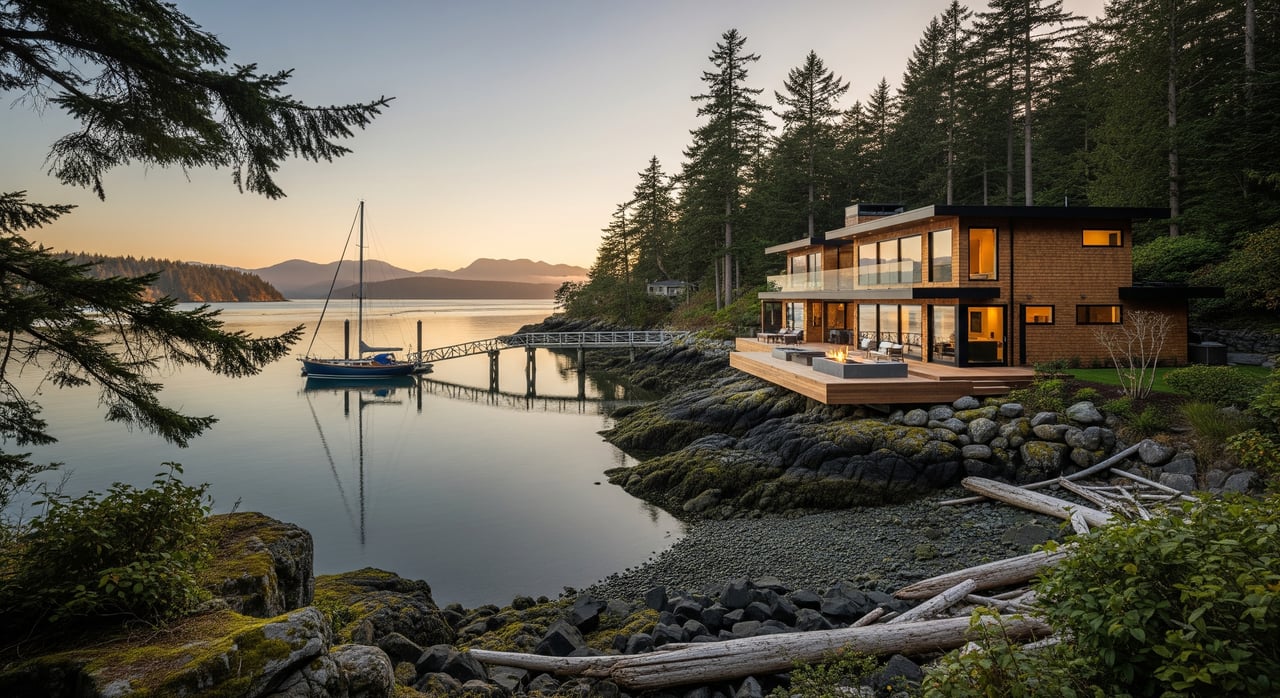
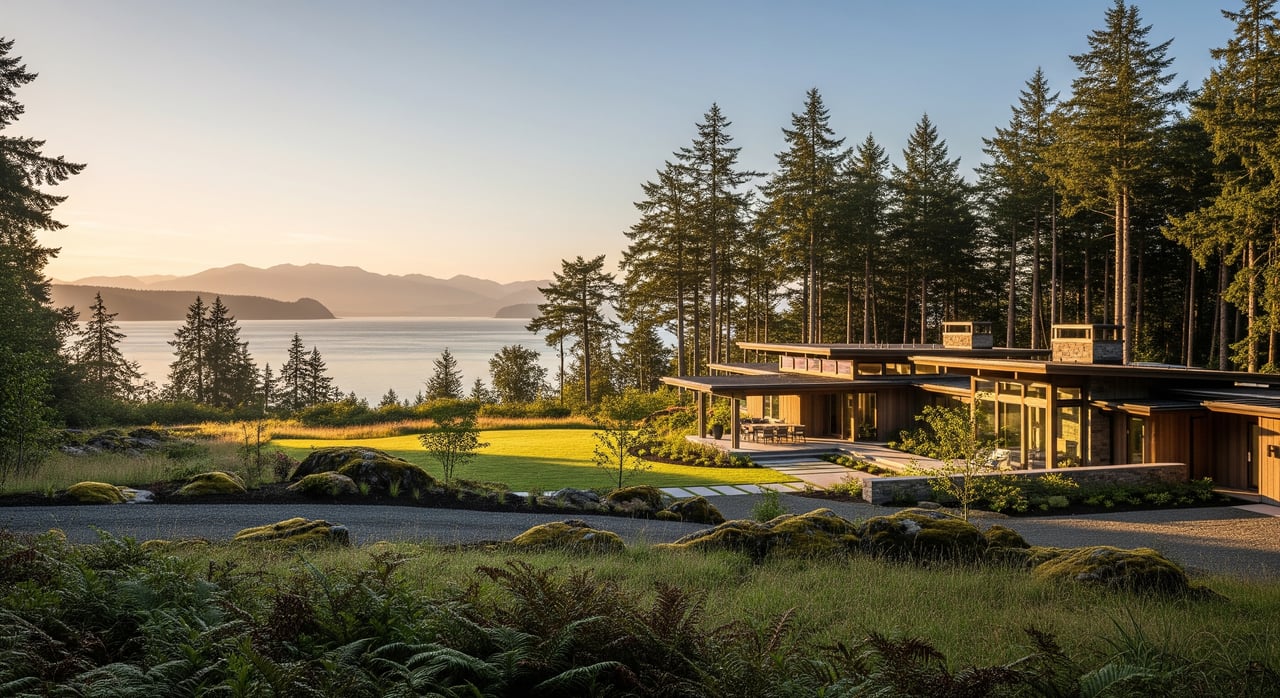
Hoodsport sits on the west shore of Hood Canal with a mix of forested hillsides, shoreline and near-shore parcels, and recreational tracts. Many properties are sloped, wooded, or close to water. That means your due diligence needs to focus on access, utilities, septic and well feasibility, and any shoreline or critical area limits on where you can build.
You will also see fewer comparable sales and more variation in parcel features. Time on market can be longer. Pricing is driven by things like usable flat area, water views, shoreline proximity, and timber value.
Set your priorities first
Before you shop, write down your non‑negotiables. A quick list helps you evaluate each parcel fast.
- Access you can maintain in all seasons, and legal recorded access.
- Buildable area that fits your plans and meets setbacks.
- Septic and well feasibility, or confirmation of existing systems.
- Utility availability and realistic extension costs.
- Shoreline, wetland, floodplain, or steep slope limits.
- Fire risk and vegetation management needs around the homesite.
Zoning and permitted uses
Mason County is your primary permitting authority for the Hoodsport area. Zoning governs allowed uses, minimum lot size, setbacks, and building permits. Ask Mason County Community Development to confirm your parcel’s zoning and what you can build.
If you plan anything near Hood Canal, expect Shoreline Master Program rules to apply. Shoreline work like a dock or bulkhead requires specific permits. Critical areas such as wetlands, streams, and steep slopes carry buffers and can reduce your buildable area. Early conversations with the county will save time and prevent redesigns later.
Septic, wells, and water
Most rural parcels in Mason County rely on a private septic system and a well. Here is how to approach each item.
- Septic systems: Mason County Public Health oversees on-site sewage. For vacant land, you will need a site evaluation or soil test and a septic design before a permit is issued. For existing systems, verify permits, inspections, and current condition.
- Wells: Many properties use a domestic well. Washington’s common exempt well allowance for small domestic use is 5,000 gallons per day, but you should confirm current rules and local implementation. Drilling requires a licensed well driller and registration with the state.
- Community water: Some pockets have small systems or water associations. Confirm whether your parcel is within a service area and whether there are hookup fees or moratoriums.
Plan and budget for testing and reports. A perc test, septic design, and well test can add weeks to your timeline.
Power, internet, and access
- Power: Confirm which local PUD serves the area and ask for service availability and extension costs. Distance from the nearest transformer and terrain can affect your budget.
- Internet and cell: Coverage can be spotty. Options include fixed wireless, satellite, and sometimes DSL. Test your cell carrier on-site and ask neighbors about their service.
- Roads: Decide if your road is county maintained or private. Private roads often require a road maintenance agreement. In hilly areas, think about winter conditions, mud, and safe access for emergency vehicles.
Shoreline and critical areas
Near Hood Canal, shoreline jurisdiction and critical area rules matter. Expect buffers and specific permitting for work near water. FEMA floodplain maps can affect building locations and insurance requirements. Sloped sites may trigger a geotechnical report, especially for clearing or foundation work. Wetlands can shift your building envelope and may require mitigation.
Build your plan around these constraints rather than trying to work around them late in the process. It is common to adjust the homesite location based on buffers, slope stability, and access.
Timber and forest rules
Timber can add value, privacy, and wind protection, but it can also trigger forest practices rules if you harvest. The Washington Department of Natural Resources regulates timber harvests and requires applications and water and soil protections. If a parcel is classified for farm or forest current use, ask about obligations and potential taxes if you change the use. A forester or timber appraiser can estimate volume and value, and help you plan selective thinning for defensible space.
Financing and insurance
Financing depends on what you are buying and how you plan to use it.
- Raw land loans often require larger down payments, higher rates, and shorter terms.
- Construction loans are different from a typical mortgage. Expect draw schedules and inspections.
- USDA Rural Development programs may be an option for qualifying buyers and areas.
Insurance needs can include flood, earthquake, landslide, and wildfire. If your parcel or home lies in a Special Flood Hazard Area, your lender will require flood insurance. Insurers may also ask for defensible space around structures in forested settings.
Taxes and special statuses
Ask the Mason County Assessor about current tax classification and any special assessments. Farm or forest current use can lower taxes but limits what you can do. If the classification changes after closing, you could face rollback taxes. Confirm any utility or road district assessments on title.
Some parcels carry conservation easements that restrict development forever. Title review will show these. Shoreline and aquatic projects may involve tribal consultation for cultural resources or fisheries. Plan more time for projects that touch the water.
Offer strategy and contingencies
Acreage is different from buying a house in town. Protect yourself with the right contingencies.
- Title review to identify easements, covenants, and assessments.
- Survey or boundary verification to confirm the legal footprint and access.
- Septic feasibility or septic inspection and perc test.
- Well inspection, pump test, and water quality, or drilling feasibility.
- Environmental review for wetlands, shoreline, floodplain, and steep slopes.
- Financing contingency if you are using a lender.
Give yourself enough time to complete these steps. Build a realistic timeline into your offer so you can test, verify, and negotiate if issues arise.
Your due diligence timeline
Every parcel is different, but this sequence is a solid starting point.
- Pre-offer
- Review county parcel maps, zoning, and tax status.
- Drive the access roads in wet weather and test cell coverage on-site.
- Speak with a local lender about land or construction financing.
- Early escrow
- Order title and schedule a boundary survey.
- Book your septic designer for a site visit and, if needed, a perc test.
- Arrange a well inspection or consult a well driller for drilling feasibility and costs.
- Ask a geotechnical engineer to review steep slopes or bluff areas.
- Mid-escrow
- Confirm PUD power extension costs and timelines.
- Check with Mason County on shoreline, wetland, and critical area buffers.
- If timber is a factor, get a forestry assessment.
- Wrap-up
- Review all reports and adjust your plan or negotiate repairs or credits.
- Confirm insurance quotes and lender requirements.
Septic, well, and shoreline reviews can add weeks or months, depending on season and county backlogs. Plan for flexibility.
Red flags to avoid
- No legal recorded access, or access across a private road with no maintenance agreement.
- Severe wetlands, shoreline, or slope constraints that leave no reasonable building area.
- Unpermitted septic or undocumented alterations.
- Conservation easements or timber contracts that limit your intended use.
- Title clouds such as liens, judgments, or complex ownership.
Local pros and offices to call
Assemble a local team early. At minimum, line up these contacts:
- A rural-savvy real estate agent who knows Mason County acreage.
- Mason County Community Development for zoning, building, and shoreline guidance.
- Mason County Public Health for septic requirements and inspections.
- Mason County Assessor and Treasurer for tax status and current use programs.
- Mason County Public Works to confirm road maintenance.
- The local PUD for power availability and extension costs.
- Washington State Department of Ecology for shoreline program and water resources questions, including wells and wetlands.
- Washington Department of Natural Resources for forest practices and landslide hazard mapping.
- A licensed surveyor, septic designer, well driller, and geotechnical engineer as needed.
Compact buyer checklist
Use this shortlist to keep your process on track:
- Verify legal access and any road maintenance obligations.
- Confirm zoning, setbacks, and lot coverage limits.
- Order a title report and review easements and covenants.
- Commission a boundary survey.
- Check septic feasibility or inspect the existing system.
- Test well yield and water quality or confirm drilling feasibility and water-rights considerations.
- Review FEMA flood maps and steep slope or landslide hazard maps.
- Confirm utility availability and get extension estimates.
- Check shoreline jurisdiction and permits if near Hood Canal.
- Ask about timber harvest rules, conservation easements, and any farm or forest tax status.
- Get insurance quotes for hazard, flood, and wildfire coverage.
Final thoughts
Buying acreage near Hoodsport can be an amazing lifestyle move. With the right plan and the right experts, you can secure a property that fits your vision and avoid the pitfalls that catch many first-time land buyers. Start early with zoning, septic, water, and access, layer in smart contingencies, and build a realistic timeline for reports and permits.
If you want a clear, step-by-step path from search to closing, connect with Megan Milliken to schedule a consultation. You will get local guidance, responsive communication, and a plan tailored to your goals.
FAQs
What should I check first when buying acreage near Hoodsport?
- Start with legal access, zoning, septic and well feasibility, and any shoreline or critical area limits that could reduce your buildable area.
How do shoreline rules affect Hood Canal properties?
- Development near the water falls under the Shoreline Master Program and critical area rules, which set buffers and require permits for many shoreline activities.
What is a perc test in Mason County and why does it matter?
- A perc or soil evaluation shows whether the soils can support a septic system and helps a designer create a system that Mason County Public Health can approve.
Can I rely on a domestic well for a new home on rural land?
- Many rural homes use domestic wells, and Washington commonly recognizes an exempt use up to 5,000 gallons per day, but you should confirm current rules and local conditions before drilling.
What financing options work for raw land and construction?
- Raw land loans often require larger down payments and shorter terms, while construction loans fund in draws during building; some buyers may qualify for USDA programs in eligible areas.
How long does due diligence usually take for acreage?
- Septic, well, survey, and shoreline or critical area reviews can take several weeks to a few months, depending on season, scheduling, and county backlogs.