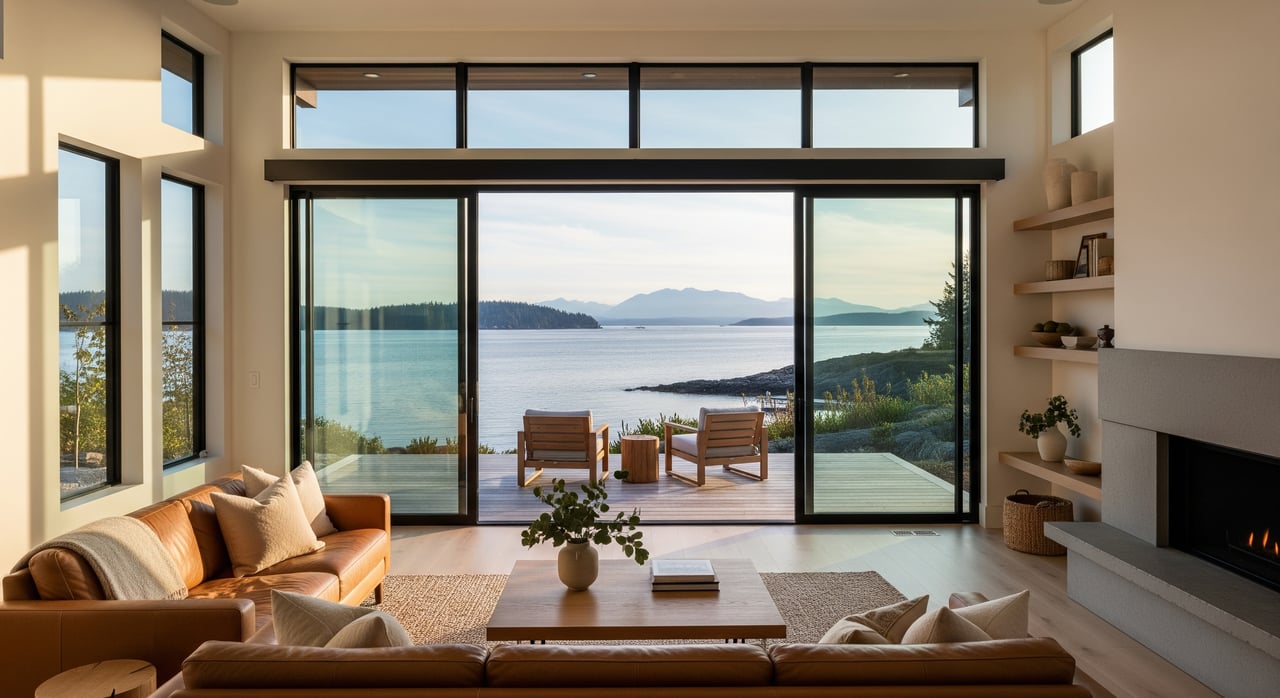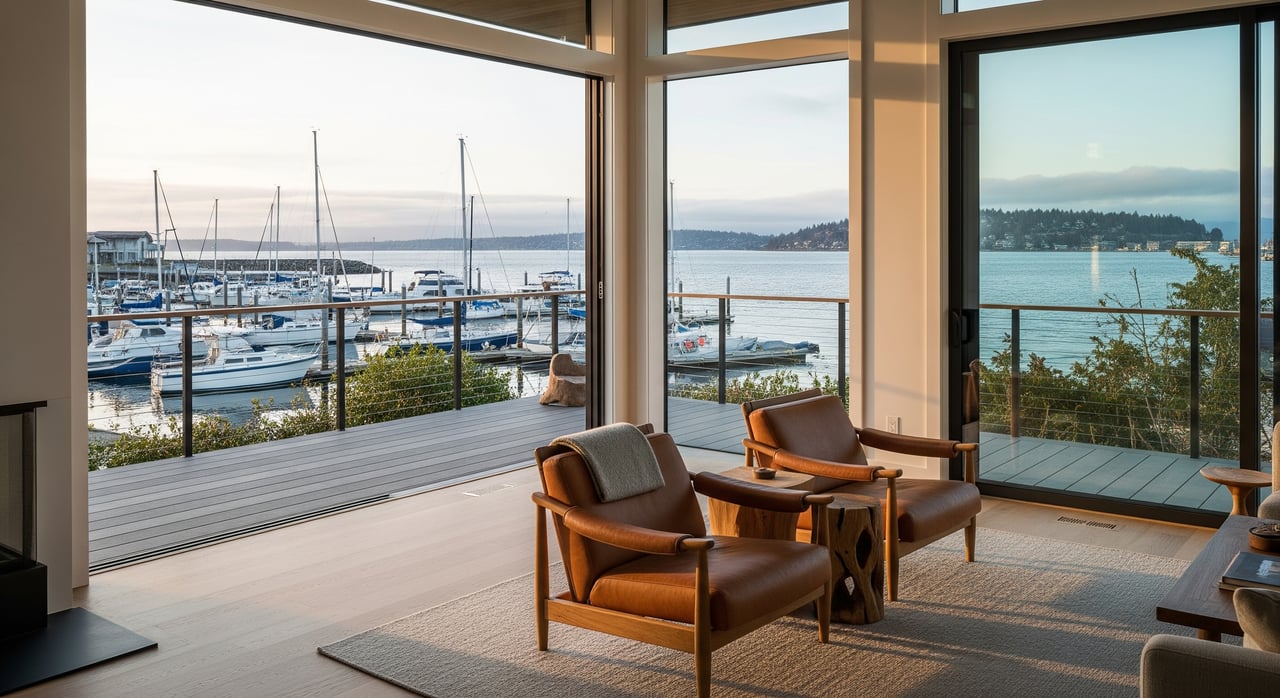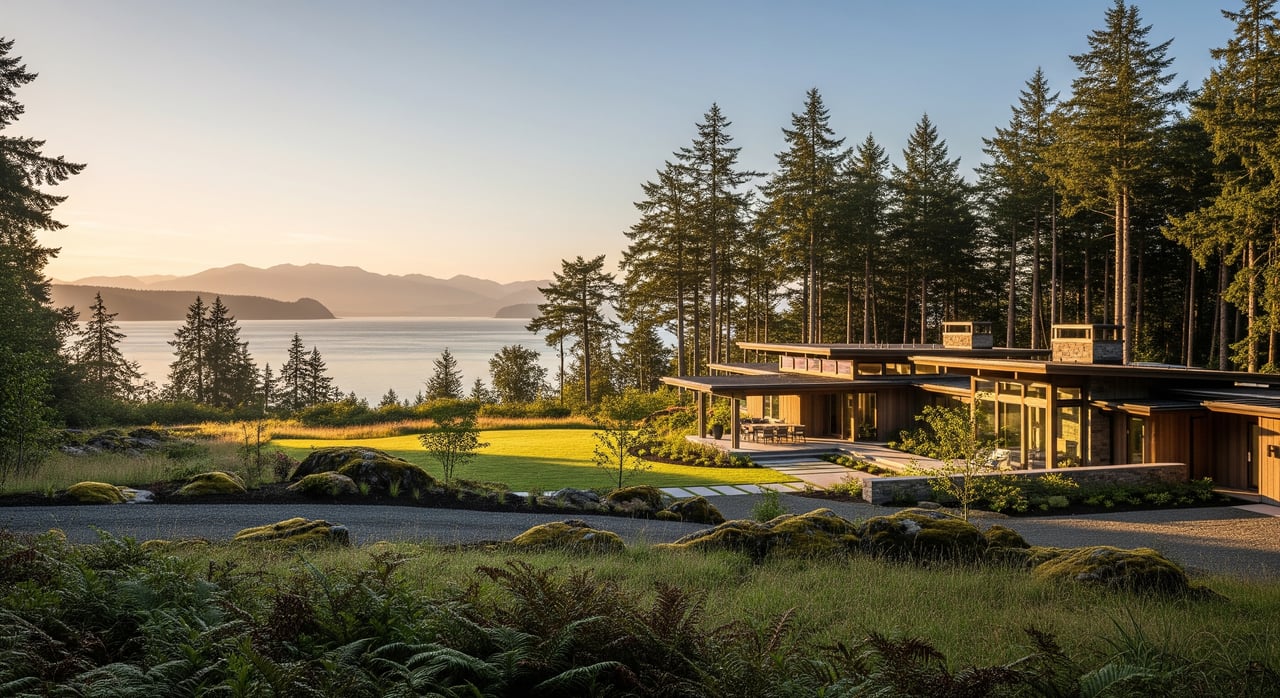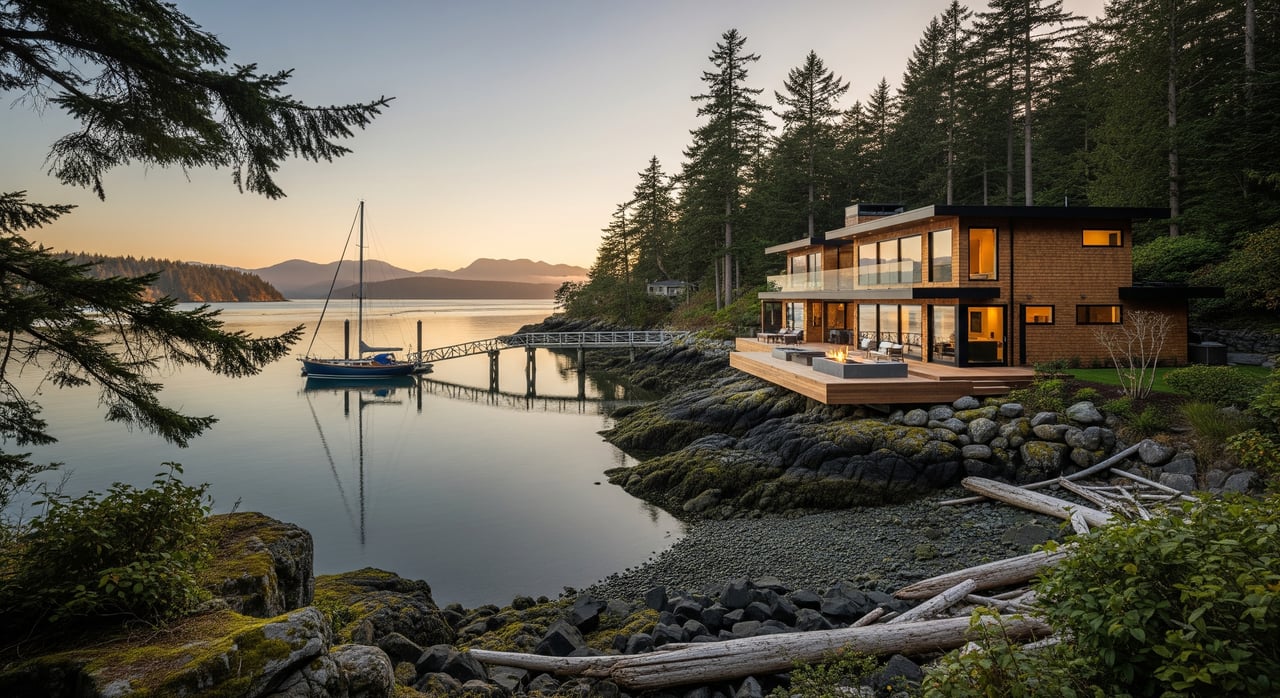
Dreaming of coffee on the deck while the tide slips in and out below? Hood Canal waterfront living near Belfair can deliver that everyday calm, but buying on the water is different from buying inland. You face unique rules, shoreline science, and a few extra line items in your budget and timeline. This guide breaks it down so you can shop with confidence and zero surprises.
You will learn how tides define your boundary, which permits matter, what to check for septic and docks, and the due diligence steps that make a strong offer. If you live in Tacoma–Lakewood and want the Hood Canal lifestyle within easy reach, this is your playbook. Let’s dive in.
Why Hood Canal is unique
Belfair sits at the north end of Hood Canal in Mason County, the gateway to a range of waterfront settings. You will see upland lots with wooded banks, gently sloped beach parcels with sand or pebbles, and some stretches with older bulkheads. Some homes have private docks or mooring buoys, while others keep the shoreline natural.
Waterfront is a niche market. Inventory is lower, buyer scrutiny is higher, and ownership typically involves more maintenance than non-waterfront homes. You often trade easy access and views for added permitting complexity and shoreline rules.
For local environmental context and regional initiatives, explore the work of the Hood Canal Coordinating Council.
Tides, boundaries, and tidelands
On Hood Canal, the shoreline moves with the tide. In Washington, private waterfront ownership often ends at the mean high tide line unless historical rights include tidelands. Determining the exact boundary usually requires a professional survey. Below navigable waters, the state commonly manages aquatic lands through the Washington State Department of Natural Resources.
- Use NOAA tides and currents to understand daily and seasonal tide ranges.
- Check whether any docks or buoys occupy state-owned tidelands and if they require authorization from the Washington State Department of Natural Resources.
- Plan on a survey that shows the mean high tide line and any shoreline encroachments.
Knowing where property rights begin and end shapes how you use your beach, moor a boat, and plan improvements.
Environmental factors that shape your plans
Hood Canal is dynamic. The following factors influence design, cost, and what you can permit.
Erosion and shoreline stability
Shoreline processes vary by slope, soil, and existing armoring. Some banks erode while nearby beaches accrete. Ask for a history of shoreline change at the property and have a qualified professional assess any bulkheads, sea stairs, or bank conditions. This helps you plan realistic maintenance and avoid surprises.
Low dissolved oxygen and marine health
Hood Canal can experience seasonal low dissolved oxygen events that affect marine life and in-water work windows. Review monitoring and local initiatives through the Hood Canal Coordinating Council and check permitting guidance at the Washington Department of Ecology.
Eelgrass and forage-fish habitat
Eelgrass beds and spawning beaches for surf smelt and sand lance are protected habitats. Their presence can limit or condition permits for docks, pilings, and beach alterations. Before you plan a project, review habitat information with the Washington Department of Fish and Wildlife.
Sea level rise and long-term risk
Sea level rise can change shoreline access, increase erosion, and affect structures and insurance over time. Plan with state guidance and projection tools from Ecology and NOAA. Elevation, setbacks, and adaptive design strategies can protect value.
Flood zones and seiche considerations
Confirm flood status with the FEMA Flood Map Service Center. Flood zones affect insurance, lender requirements, and design elevations. Hood Canal’s shape means localized water-level responses during storms, so a site-specific look is worth the effort.
Permits and property rights 101
Waterfront improvements in Mason County follow a clear framework. Understanding it early saves time.
Mason County shoreline rules
Mason County implements a Shoreline Master Program that sets standards for setbacks, docks and piers, and shore stabilization. Larger projects may need a Shoreline Substantial Development Permit, while smaller repairs can be exempt. Start with the county’s pages for current rules and permit thresholds at Mason County planning and permits.
State and federal reviews
Most in-water work also requires state or federal permits. Common examples include:
- WDFW Hydraulic Project Approval for work that affects fish or marine habitat. See WDFW.
- Washington State DNR aquatic authorization if structures occupy state-owned tidelands. See DNR.
- U.S. Army Corps permits for certain fills, pilings, or dredge actions, often with water quality certification by the Washington Department of Ecology. See Ecology.
These agencies coordinate but have different timelines and conditions. Early checks are essential.
Septic systems and water supply
Many Hood Canal homes rely on onsite septic systems. Mason County Public Health regulates septic permitting, setbacks from shorelines, and repairs. A septic inspection is a common sale contingency, and older systems may require upgrades or replacement. If a property uses a private well or small community system, confirm the well log, source, and water quality. Start with county contacts via Mason County.
Shellfish harvesting and closures
If you plan to gather shellfish, check current safety and closures with the Washington State Department of Health. Closures can be seasonal or event-driven and are posted by beach segment. These rules do not affect your ownership, but they do guide safe use of the shoreline.
Easements, public access, and views
Title records may show utility easements, shared access, or recorded view corridors. Some parcels border state-owned tidelands that allow public passage below mean high tide. Confirm how recorded documents affect privacy, fencing, and improvements.
Due diligence checklist for Belfair buyers
Use this checklist to structure your offer and inspection timelines.
Title and boundary
- Order a title report that specifically addresses tideland ownership and any DNR leases or claims.
- Hire a licensed surveyor to locate the mean high tide line and identify encroachments.
Permits and recorded improvements
- Request permits and approvals for docks, bulkheads, moorings, septic systems, and additions.
- Verify whether any improvements were built without permits and what it would take to legalize them.
Environmental and habitat checks
- Review eelgrass and forage-fish habitat information with WDFW.
- Confirm critical areas and shoreline buffers with Mason County.
- Check shellfish safety and closures through the Washington State Department of Health.
Septic and water system
- Schedule a professional septic inspection and review maintenance records.
- Confirm well source, log, yield, and water quality if applicable.
Shoreline structures and stability
- Have a marine contractor or coastal engineer evaluate docks, pilings, bulkheads, stairs, and erosion risk.
- Ask about recent repairs, expected lifespan, and likely permit pathways for future work.
Flood risk and insurance
- Confirm flood zone at the FEMA Flood Map Service Center.
- Get insurance quotes that reflect NFIP or private options, and ask about any past flood claims.
Access and local use
- Confirm driveway and road maintenance responsibilities and boat launch options.
- Ask about moorage rights or marina availability if you plan to keep a boat.
Regulatory pre-check
- Contact Mason County planning to discuss your intended use, from dock repairs to home additions.
- If in-water work is likely, speak with WDFW and DNR about HPA requirements and aquatic leases.
Costs, timelines, and tradeoffs
Waterfront ownership can carry higher costs and longer timelines than inland properties. Build these into your plan.
Typical cost drivers
- Permit fees at the county and state level, consultant reports from biologists or engineers, septic upgrades, erosion control, dock or piling work, and potential DNR aquatic rents or fees. Insurance can also be higher in flood zones.
Time impacts
- Minor repairs can be quick, but substantial development permits or coordinated state reviews can take several months. Seasonal in-water work windows may push construction into specific times of year.
Resale considerations
- Waterfront homes often command a premium, but a smaller buyer pool can amplify scrutiny. Clear documentation of permits, septic compliance, and recent improvements helps marketability. Unpermitted work or visible environmental issues can depress value and delay closing.
Steps to write a strong offer
- Get your questions answered early. Call Mason County about shoreline rules and any open permits tied to the parcel.
- Structure smart contingencies. Include septic inspection, survey of the mean high tide line, and verification of permits for shoreline structures.
- Ask for complete records. Request dock, bulkhead, and mooring documentation, plus septic maintenance logs and any shoreline mitigation plans.
- Seek realistic timelines. Build in time for permit research and contractor evaluations. If you plan improvements, talk with WDFW and DNR in advance.
- Anchor your decision in tide and flood data. Use NOAA tides and currents for tidal planning and the FEMA Flood Map Service Center for flood zones.
Local tools and contacts
- Mason County planning and permits for SMP rules and shoreline permits: Mason County
- Shoreline science, water quality, and regional coordination: Hood Canal Coordinating Council
- Shoreline master program guidance and sea level rise resources: Washington Department of Ecology
- Hydraulic Project Approval and habitat information: Washington Department of Fish and Wildlife
- Aquatic land authorizations and tideland leases: Washington State Department of Natural Resources
- Shellfish safety and closure maps: Washington State Department of Health
- Tide predictions and sea level tools: NOAA tides and currents
- Flood zone lookup and base flood elevations: FEMA Flood Map Service Center
Buying on Hood Canal is about pairing lifestyle with smart planning. With the right prep, you can enjoy beach walks, boating, and sunsets while protecting your investment and your shoreline. If you want experienced guidance from first tour through closing and beyond, connect with Megan Milliken for a waterfront consultation.
FAQs
Who owns the tidelands in front of a Belfair home?
- In Washington, the state often owns tidelands below navigable waters, so verify ownership through title, a boundary survey showing the mean high tide line, and DNR records.
Can you add or repair a dock on Hood Canal?
- Possibly, but most projects need Mason County shoreline approvals plus state reviews like WDFW HPA and DNR authorization, and in some cases federal permits.
Is shellfishing safe at my Belfair beach?
- Shellfish safety varies by season and conditions; always check current maps and advisories at the Washington State Department of Health before harvesting.
Do you need flood insurance for a Hood Canal property?
- It depends on your flood zone and lender; confirm the zone at FEMA’s Flood Map Service Center and obtain quotes that reflect the site’s elevation and risk.
How long do shoreline permits take in Mason County?
- Minor repairs can be faster, while substantial development and coordinated state reviews often take several months, especially when work must occur in seasonal windows.
What inspections should you order for a waterfront home?
- Order a septic inspection, a boundary survey to locate the mean high tide line, and evaluations of docks, pilings, and bulkheads by qualified professionals, plus standard home inspections.