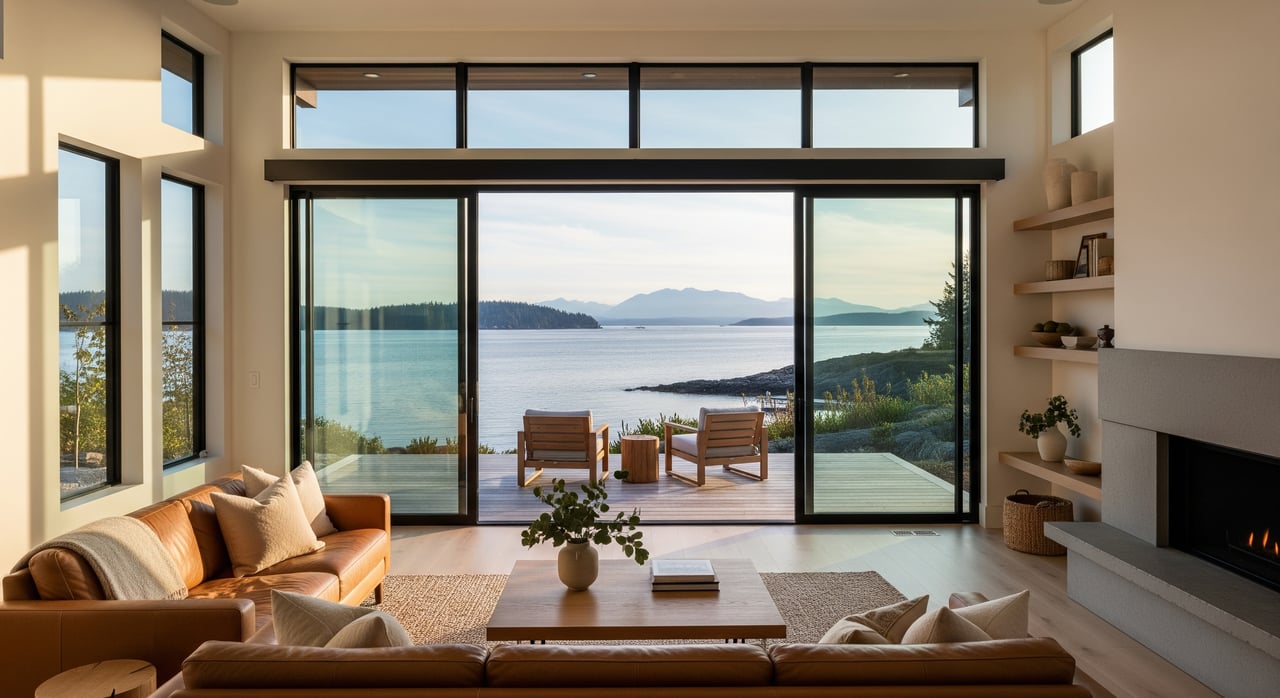
Curious what your Port Orchard home would sell for today? You are not alone. Pricing here is nuanced because waterfront, commute options, and military moves all shape demand. In this guide, you will see how a data-backed, local-first approach gives you a confident price and a clear plan. Let’s dive in.
What drives price in Port Orchard
Port Orchard pricing is highly local. Proximity to Naval Base Kitsap brings steady demand and frequent relocations, which can affect timing and offer terms. Commute access to Highway 16, ferry routes, and nearby terminals influences buyer pools and price bands.
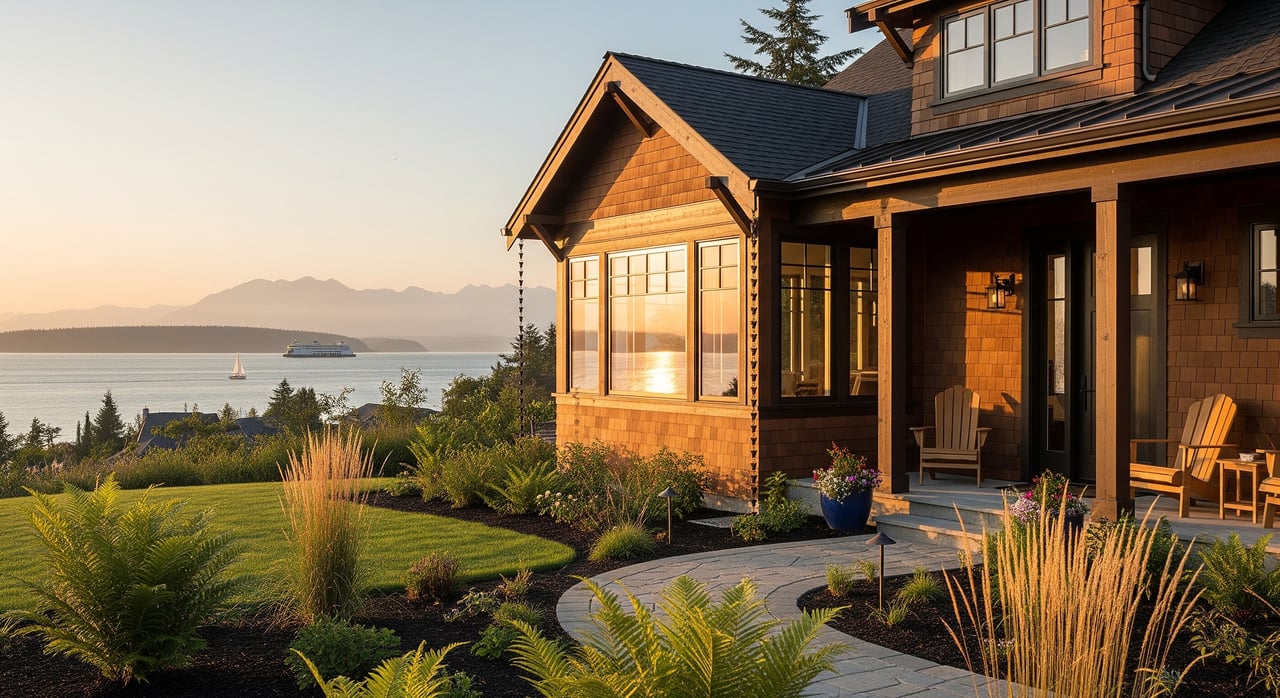
Waterfront, views, and lot topography create wide value ranges. Small differences in view line or shoreline access can change buyer perception and appraisals. Property type matters too, since single-family, condos, and manufactured homes perform in different price lanes.
New construction can set an upper limit for some areas, while resale condition defines what buyers will pay today. Schools, parks, marinas, and downtown amenities contribute to neighborhood-level premiums. Local regulations, including shoreline and critical areas and septic rules, can also affect value and financing.
Our data sources and tools
We build pricing from multiple authoritative datasets and then apply local judgment. Here is what we use:
- NWMLS sold, pending, and active listings for a complete CMA, plus DOM and list-to-sale ratios.
- Kitsap County Assessor records for square footage, lot size, tax history, and legal descriptions.
- Kitsap County permit and GIS data to verify additions, septic status, and shoreline or critical-area overlays.
- Public sale records to confirm arms-length transactions and sales history.
- Local appraisal insights and lender norms, including common VA, FHA, and conventional appraisal considerations.
- CMA software, paired-sales analysis, absorption rates, and price-band visualizations to quantify adjustments.
The result is a triangulated value range that is evidence-based and tailored to your property.
Step-by-step pricing method
1) Verify the property
We start by confirming the facts. That includes living area, bed and bath count, lot size, year built, systems, garage, and any updates. We review seller disclosures and county permit history and walk the property to assess condition and layout.
When measurements are unclear, we arrange professional measurements or photos. This prevents surprises during appraisal and helps us match the right comparables.
2) Build the right comp set
We select closed sales from the last 3 to 6 months in the most relevant radius or neighborhood. Pending and active listings show the current competition and where buyers are focusing. We exclude non–arms-length transfers unless the area is very thin on data.
For specialized homes, we expand the search window or use tightly matched comps from similar settings. Waterfront and view properties almost always require a hyperlocal comp set.
3) Adjust with precision
We adjust for the big drivers first. These include living area, bed and bath count, usable lot size, condition, view or waterfront, garage and parking, finished basements, age and systems, and location factors like road noise or cul-de-sac placement. Price per square foot is used as a sanity check, not the main method.
When possible, we apply paired-sales analysis to estimate a feature’s premium. For unique attributes like dockability or a panoramic view, we supplement with appraiser or BPO input.
4) Overlay the market
We compare the indicated value to current absorption rate, median list-to-sale ratios, and typical days on market. We factor in seasonality and potential demand spikes from military relocations. This step helps align pricing with buyer urgency.
If the market is shifting, we adjust for time. That keeps your price anchored to where buyers are today.
5) Recommend price and plan
We present a pricing range with a recommended list price and the rationale behind it. You also receive a seller net sheet showing estimated proceeds at different sale prices and closing cost scenarios. We agree on monitoring milestones and clear re-price triggers if showings or offers lag.
Pricing strategies that work here
- Market-value pricing: List near the indicated value to capture the largest pool of qualified buyers. This often produces the most predictable outcomes.
- Aggressive pricing: List slightly under market to spark higher traffic and multiple-offer potential when inventory is tight.
- Conservative pricing: Test a higher list price with the understanding that days on market may climb and reductions may follow.
- Structured testing: Launch with a defined review schedule, then adjust based on showings, feedback, and nearby pendings.
- Psychological banding: Align price with common search ranges. Useful in some cases, but never a substitute for solid comps.
Seller prep that protects your price
Pre-list preparation can widen your buyer pool and reduce appraisal risk. Strategic repairs to address deferred maintenance often return more value than credits. A pre-inspection can surface issues early and build buyer confidence, especially for complex properties.
Professional photography, staging, and strong digital marketing elevate perceived value and drive traffic in the first two weeks. If the home is on septic, verify maintenance and permit status before listing. Waterfront or shoreline-adjacent homes benefit from early review of any shoreline or critical-area constraints.
Be mindful of financing. VA and FHA loans can carry specific appraisal or repair requirements. Clear documentation and proactive fixes help you hold the contract price.
Special property types in Kitsap
Waterfront and view homes
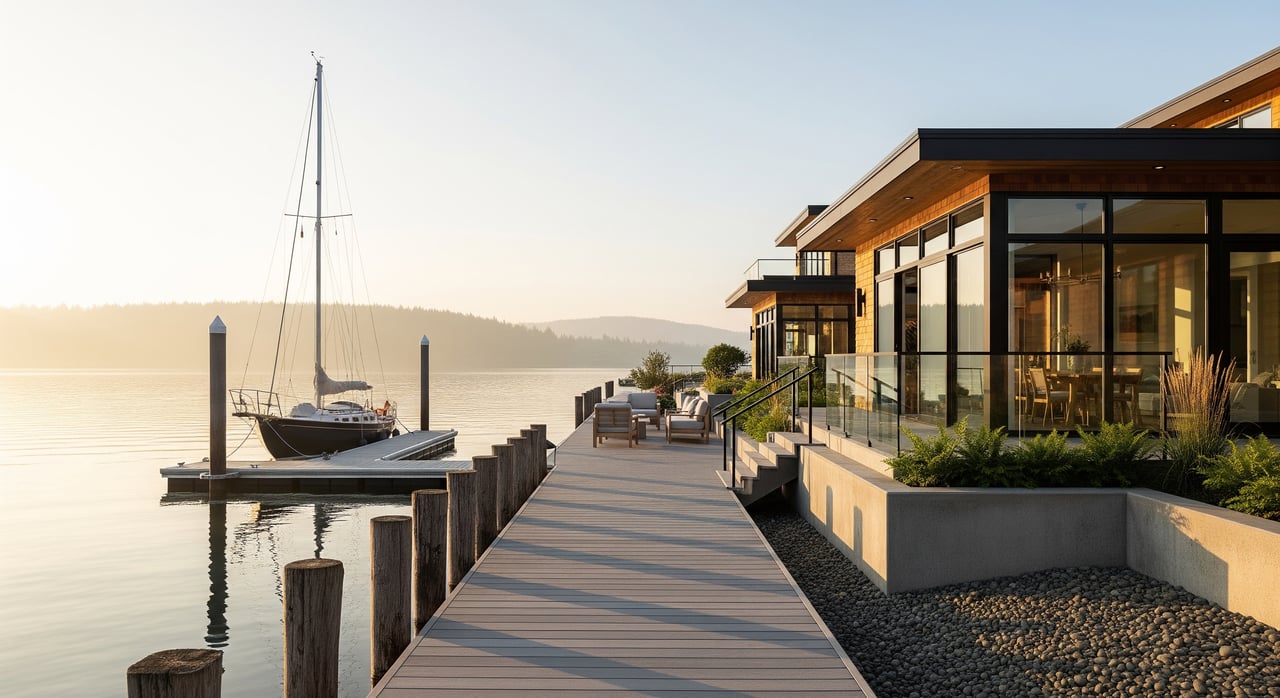
Small distinctions can mean big value differences. We validate shoreline type, access, potential dockability, and view quality using county records and paired-sales.
Septic and non-sewered homes
Septic condition, permit history, and system age affect marketability and financing. We verify records early to prevent delays.
Manufactured homes and condos
We compare only within the same property class and focus on financing availability and HOA or park rules. This keeps expectations aligned with the buyer pool.
Steep lots and topography
Slope, usable yard, and access influence livability and maintenance. We account for these factors when selecting comps and making adjustments.
How buyers read list price
Buyers read list price as a signal of strategy and expectation. In a fast market, competitive pricing may attract escalation clauses and shorter timelines. Strong pre-approval, clean terms, and appraisal-gap planning can help a buyer stand out.
Inspection timing and scope matter here. In Port Orchard, septic inspections, shoreline considerations, and structural items tied to slope are common focus areas.
What you can expect working with us
- A complete CMA built from NWMLS solds, pendings, and actives, cross-checked with Kitsap County records.
- Verification of waterfront status, septic records, and permits using county GIS and permit data when relevant.
- Feature-level adjustments informed by paired-sales and, when needed, local appraiser input.
- A pricing range, a recommended list price, and a monitoring plan agreed in advance.
- A seller net sheet so you can see your likely proceeds under multiple scenarios.
You also get a curated listing presentation with professional photography, clear property storytelling, and responsive communication from start to close. When the market speaks, we adjust quickly and keep you informed every step of the way.
Ready to talk through your home and timing? Schedule a consultation with Megan Milliken to price with confidence and launch with a plan.
FAQs
How do you price a Port Orchard home when there are few recent comps?
- We widen the timeframe, tighten the location, and use paired-sales and appraiser input while cross-checking county permits and property records.
How much does a water view or dock access affect value in Kitsap?
- It depends on view quality, access, and shoreline type; we use paired-sales and hyperlocal comps because small differences can change value significantly.
What is the difference between assessed value and market value?
- Assessed value is for taxation and may lag the market; market value reflects what qualified buyers are paying for similar homes today.
How often should we revisit price if we are not getting offers?
- We monitor showings and feedback from day one and typically re-evaluate after 7 to 14 days without meaningful activity or 15 to 30 days without offers.
How do appraisers handle septic, shoreline, or steep-lot features?
- Appraisers verify permits and condition and rely on local comps; unique features are supported with additional documentation and paired-sales when available.
Do military relocation timelines change pricing or negotiation?
- They can influence timing and terms; clear pricing, flexible close dates, and strong presentation help align with relocation schedules and buyer needs.