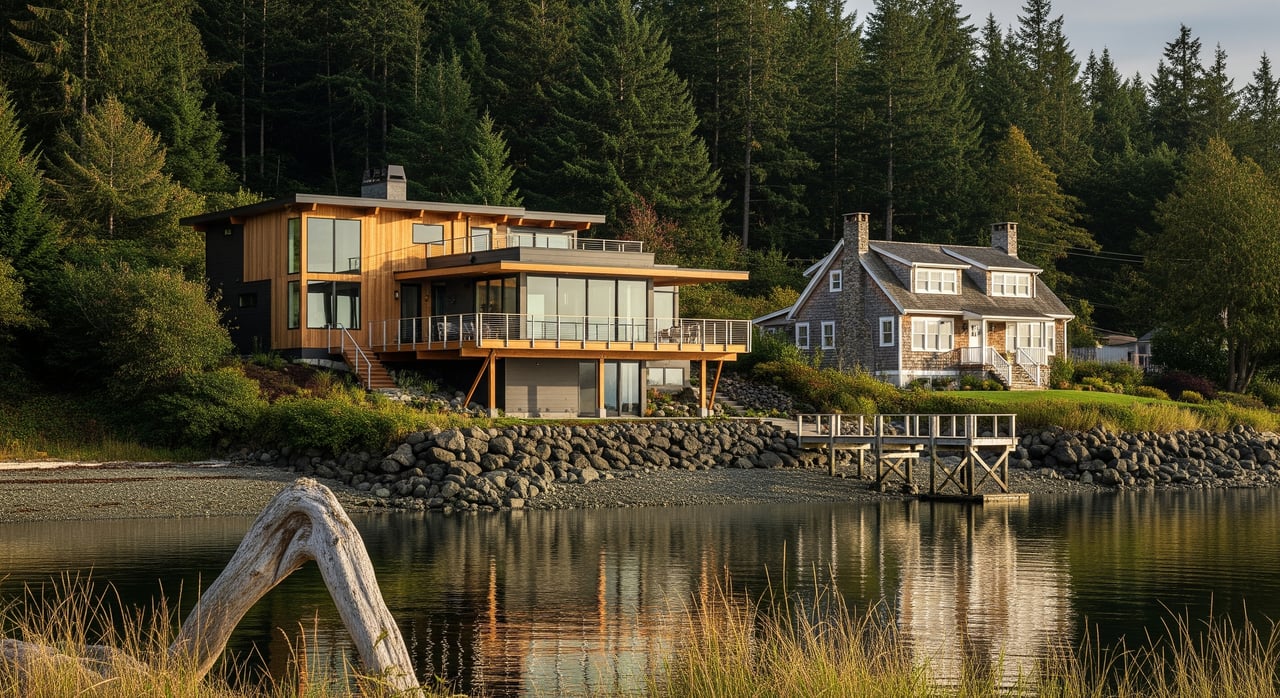
Thinking about building a custom home near Hood Canal or buying an existing cabin you can enjoy right away? In Hoodsport and greater Mason County, the choice between new construction and resale is less about trends and more about terrain, permits, septic and wells, shoreline rules, and timelines. You want a clear path that fits your lifestyle, budget, and patience for process. In this guide, you’ll learn how new builds and resales stack up locally, what to check before you commit, and a simple framework to help you decide. Let’s dive in.
New construction in Hoodsport
New construction in Hoodsport typically means a custom build on a rural lot, a small subdivision infill, or replacing an older structure. Large production builders are less common here, so you’ll likely work with a local contractor. On rural parcels, plan for septic and well approvals if there is no public service, plus power and broadband solutions.
Permitting is a major factor. Building permits, septic design and approvals, and well drilling and approval are common. Shoreline and critical-area rules can apply near Hood Canal, and some sites need clearing and grading permits. Timelines vary, and weather and contractor schedules can add delays.
New build pros
- Customization to your life: floor plan, systems, energy features, and remote-work setups the way you want them.
- New systems and warranties: plumbing, electrical, HVAC, and building envelope start fresh with builder-backed protections.
- Code-compliant: newer homes meet updated energy and seismic standards and can be easier to insure, depending on site risk.
New build cons
- Longer lead time: permits, site prep, and construction can take many months to a year.
- Budget swings: rural site work, power extension, and engineered septic systems can raise costs.
- Appraisal challenges: unique custom homes and waterfront improvements may have few comparable sales.
- Builder vetting: you rely on local teams, so references, licensing checks, and lien management are essential.
Resale homes in Mason County
Resale inventory around Hoodsport often includes older waterfront cottages, cabins, and single-family homes on acreage. Many properties use septic systems and private wells. Location can drive value, especially waterfront, view, or access to services.
Resale pros
- Faster move-in: you can close in weeks rather than waiting through a build.
- Known site history: utility hookups, septic records, and observed performance can reduce uncertainty.
- Potential value: well-kept older homes may be priced below replacement cost, depending on the market.
Resale cons
- Deferred maintenance: older roofs, siding, electrical, or septic upgrades may be needed sooner than later.
- Hidden defects: leaking foundations, aging septic, or shoreline issues can be costly to fix.
- Energy performance: older homes may require upgrades to improve efficiency and operating costs.
Financing differences
For new construction, most buyers use a construction loan that funds in stages during the build and then converts to a permanent mortgage at completion. Expect interest-only payments during construction and extra documentation for budgets, plans, and builder credentials. Lenders may also require proof of adequate access, septic or well approvals, and an assignable address before converting to permanent financing.
For resale, conventional mortgages are typical. Properties with failing septic systems, non-standard structures, or unstable access can trigger lender conditions or denials. If the home is older or highly unique, the appraiser may take a conservative approach if comparable sales are limited.
Permits, utilities, and site checks
Use this checklist to reduce surprises and protect your budget:
- Septic system: verify records, inspection status, and capacity; budget for repair or replacement if needed.
- Well and water: confirm water quality and flow (coliform, nitrates, and yield) and any treatment systems.
- Shoreline status: check whether shoreline rules apply, including setbacks and dock or bulkhead permits.
- Critical areas: identify wetlands, steep slopes, and fish and wildlife habitats that can affect design and cost.
- Flood risk: review FEMA flood maps for floodplain and elevation considerations, especially near Hood Canal.
- Utilities: confirm power availability and extension costs; check broadband and cellular options for remote work.
- Access: verify whether roads are public or private, maintenance agreements, seasonal access, and county standards.
- Permit history: confirm what has been permitted on the property, including additions and accessory structures.
- Insurance: evaluate flood and wildfire exposure; premiums can vary by site and structure age.
Cost, timelines, and risk tradeoffs
- Immediate cash needs: building usually requires a down payment for a construction loan plus interest during construction and site development costs. A resale typically calls for a standard down payment, closing costs, and funds for inspections and any urgent repairs.
- Ongoing costs: newer homes often have lower short-term maintenance and better energy performance. Resales may have lower initial taxes depending on assessed value but could need near-term upgrades.
- Reassessment: new construction can trigger reassessment that raises property taxes; check local assessor rules.
- Timeline certainty: resales provide quicker occupancy. New builds depend on permits, seasonal weather, and contractor schedules.
- Appraisal risk: unique or waterfront properties may face conservative valuations on both new builds and resales if comparable sales are limited.
Waterfront and shoreline factors
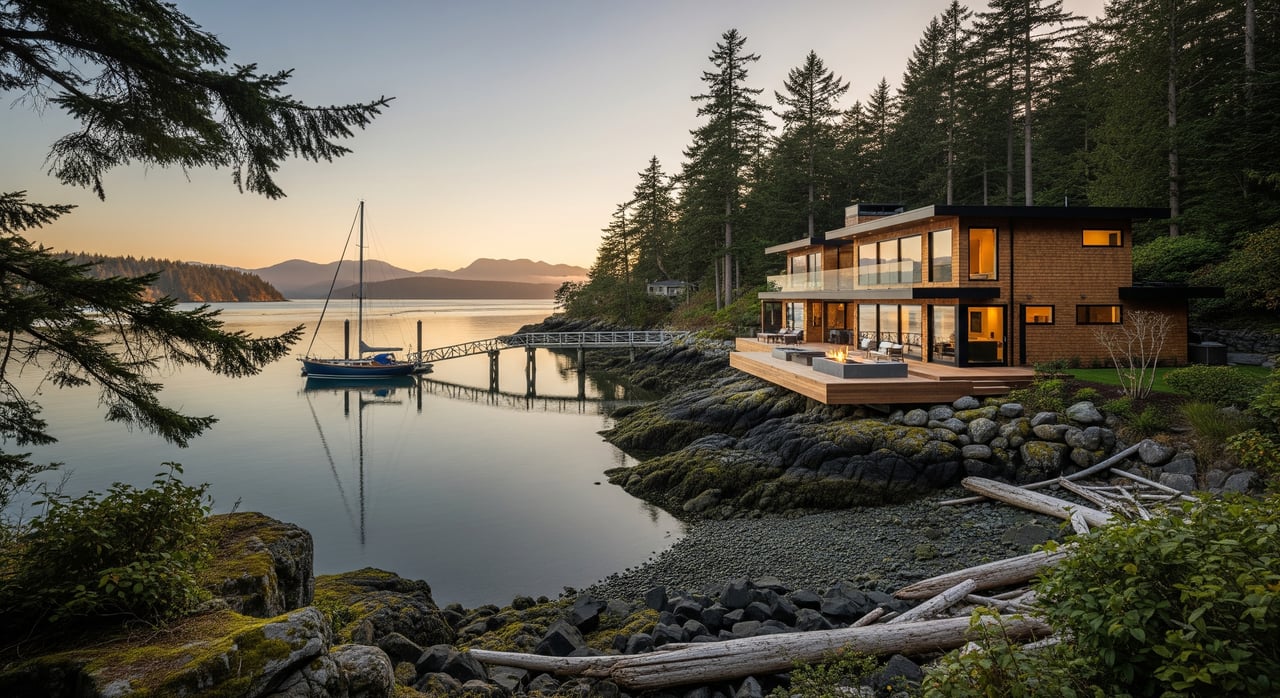
Waterfront parcels and homes near Hood Canal face additional rules and risks. Shoreline management policies can impose setbacks, limit certain improvements, and require mitigation that affects design and budget. Flood zones and low-elevation sites may require flood insurance. Bulkheads and docks need proper permits, and any repairs or replacements may require additional approvals. If you dream of a rebuilt or expanded footprint, confirm feasibility early to avoid costly surprises.
Renovate or rebuild
A simple framework can help you decide:
- If the lot is exceptional for view or access but the structure is outdated or inefficient, rebuilding can make sense if shoreline and critical-area rules allow.
- If the existing home is structurally sound and the septic and well are in good shape, renovating is often faster and more cost-effective than starting from scratch.
- Compare total cost and time: purchase price plus renovation versus land plus build, including permits and financing.
How to choose your path
Start with your timeline, cash flow, and tolerance for process. If you want to be on the water next season, a well-vetted resale may be your best fit. If you want a modern layout with energy-efficient systems and you have time to plan and permit, a new build can deliver long-term value.
In Hoodsport and greater Mason County, local specifics like septic capacity, well performance, shoreline setbacks, and road access often decide the outcome. Focus your search on parcels and homes that already align with your needs. Then apply rigorous due diligence before you commit.
Ready to weigh options and build a strategy that fits your goals? Schedule a conversation with Megan Milliken to talk through timelines, costs, and the right next steps for you.
FAQs
What should I know about new construction financing in Hoodsport?
- Most builds use a construction loan that funds in stages and converts to a mortgage; lenders will want budgets, builder qualifications, and septic or well approvals.
How critical is a septic inspection on a resale home?
- It is essential, because most lenders require a functioning septic or a permitted repair plan, and replacement on difficult sites can be expensive.
Are waterfront homes on Hood Canal harder to insure?
- They can be, due to flood and erosion risk; insurers and lenders look closely at flood zone status, elevation, and any shoreline protections.
Will I find production builders in Mason County?
- Large production builders are less common; most new homes involve local contractors and custom or small subdivision projects.
What site issues most often delay new builds here?
- Permitting, septic engineering, well approvals, shoreline or critical-area reviews, utility extensions, and seasonal weather can extend timelines.
Can an older Hoodsport home qualify for a conventional mortgage?
- Often yes, but failing septic, non-standard structures, or unclear road access can trigger lender conditions or denials, so early due diligence matters.